
Mining Break-Even: The Two Numbers, and How to Work Out Yours
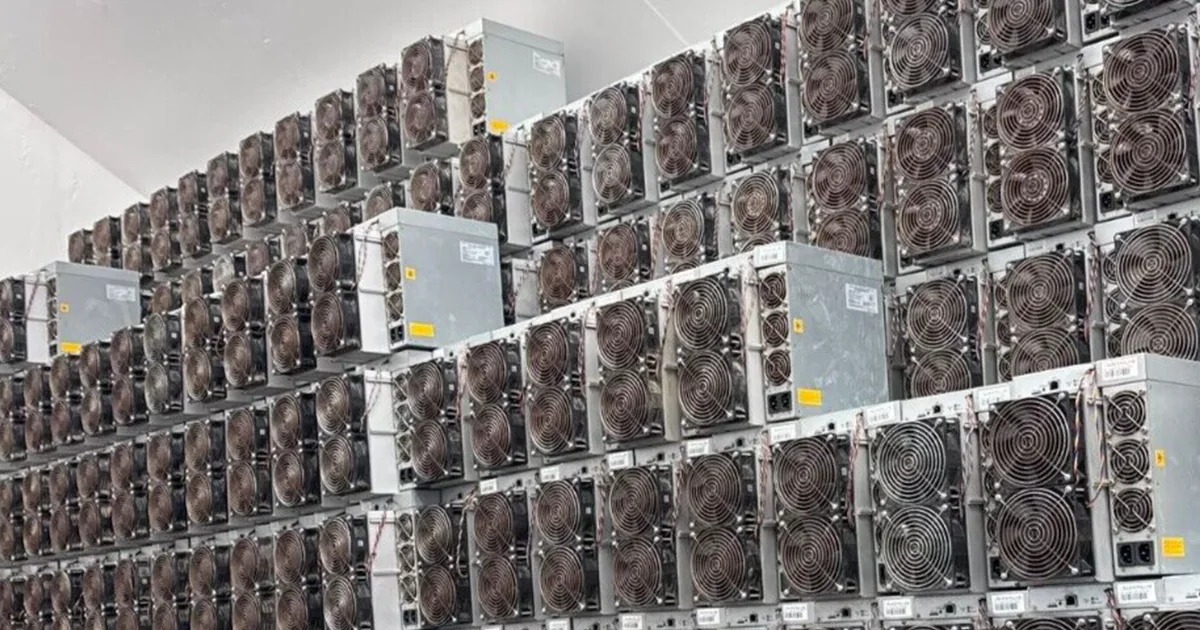
Break-even is two different questions and most miners only answer the second one. The first is whether the machine covers its own electricity — if it does not, nothing else matters and no amount of patience fixes it. The second is how long the machine takes to return what you paid for it. A miner can pass the first test and still be a bad purchase; a miner that fails the first test is not a purchase at all, it is a heater you paid for twice.
The first question has a one-line answer:
break-even electricity rate = hashprice ÷ (24 × J/TH)
That is the rate above which your machine burns more than it earns. Hashrate is not in the formula — it cancels — which is why efficiency, not size, is the specification that decides this. The ASIC miner buying guide derives it. Everything below is how to run both questions properly, with real machines and real inputs.
The inputs these examples use, and when they were measured
- Hashprice: ~$31.8 per PH/s per day (measured 28 July 2026)
- Network difficulty 126.23 T, network hashrate ~867 EH/s, BTC ~$63,378
- US average residential electricity: 18.44¢/kWh (EIA, May 2026)
Every one of these moves daily, and hashprice moves for two independent reasons — the Bitcoin price and the total network hashrate — which is why a Bitcoin price alone tells you almost nothing about mining revenue. Substitute your own figures on the day you run this. The method survives; the answers do not.
Question one: does it cover its own power?
Take the machine’s stock efficiency in joules per terahash, multiply by 24, divide hashprice by it. At $31.8/PH/day:
| Machine | Stock power | J/TH | Break-even electricity rate |
|---|---|---|---|
| Antminer S19 95TH | 3,250 W | 34.2 | 3.9¢/kWh |
| Antminer S19 Pro 110TH | 3,250 W | 29.5 | 4.5¢/kWh |
| Antminer S19k Pro 115TH | 2,645 W | 23.0 | 5.8¢/kWh |
| Antminer S19 XP 141TH | 3,010 W | 21.5 | 6.2¢/kWh |
| Canaan Avalon Q 90T | 1,674 W | 18.6 | 7.1¢/kWh |
| Antminer S21 Pro 245T | 3,510 W | 14.3 | 8.8¢/kWh |
No machine in that table clears the US residential average of 18.44¢/kWh, and none currently sold anywhere does. If that is your only tariff, the honest answer to “which miner breaks even fastest” is none of them, and the useful questions become hosting, a commercial or time-of-use rate, or whether the heat is displacing something you were paying for anyway.
Two things routinely corrupt this calculation. Use the stock rating, not a boosted one. A machine advertised as “boost to 105TH” or on a VNish tune is running above stock and drawing more power to do it, so its true J/TH is worse than the sticker and its break-even rate is lower than the table implies. Ask for a measured wall draw at the tune it will actually run. And use your all-in electricity rate, including delivery charges, demand charges and taxes — not the energy line on the bill. The difference between those two numbers is routinely a third of the total and it is the difference between the right side and the wrong side of this table.
Question two: how long to return the capital
Only worth asking once question one passes. Daily gross revenue is hashrate in PH/s times hashprice. Daily power cost is kilowatts times 24 times your rate. The gap is your margin, and capital divided by margin is your payback.
Worked on a used Antminer S19k Pro 115TH, at 2,645 W and 23 J/TH:
- Revenue: 0.115 PH/s × $31.8 = roughly $111 a month gross
- Power at 5¢/kWh: 2.645 kW × 24 = 63.5 kWh a day, roughly $97 a month
- Margin: roughly $15 a month — thin, and that is the point of showing it
- Payback on a machine bought near $380: about 26 months
Move the same machine to 3¢/kWh and the power cost falls to about $57 a month, margin rises to roughly $53, and payback drops to about 7 months. Nothing about the hardware changed. A two-cent move in your electricity rate changed the payback period by a factor of nearly four. This is why “which miner has the fastest ROI” is close to a meaningless question asked without a power price attached.
What people get wrong when they run this
Quoting revenue from an old table. Mining revenue per terahash falls over time as network hashrate grows, and it steps down hard at every halving. Any monthly revenue figure printed in an article — including the ones above — is a snapshot. Recompute from current hashprice rather than reusing a number.
Confusing the Bitcoin price with revenue. Revenue per unit of hashrate is the block subsidy plus fees, times the coin price, divided by total network hashrate. Bitcoin can rise while your machine earns less, if hashrate rises faster. That relationship is set out in what a miner actually earns.
Assuming difficulty holds still. It retargets every 2,016 blocks and has trended up for most of the network’s life. A projection that runs 18 months at today’s difficulty is not a forecast, it is a best case. Run it again at two-thirds and half of today’s hashprice — if the machine dies at a hashprice the market has already seen, that is the actual risk in the purchase.
Ignoring uptime. Every percent of downtime is a percent of gross revenue, and the expensive failure is the quiet one: a dead hashboard leaves the machine online and reporting, running at two-thirds hashrate while drawing most of its power. Diagnosing that is covered in why your miner is earning less.
Leaving out the costs that are not the machine. Freight, a dedicated circuit, racking, a spare power supply, pool fee, and your own time. The electrical work alone can cost more than a used miner. Mining setup costs itemises the ones people forget, and depreciation and its tax treatment covers the cost that never appears on a bill.
What to change if you are on the wrong side of it
In descending order of how much they actually move the number:
- Your electricity rate. Nothing else is close. Two cents per kilowatt-hour is worth more than every firmware and maintenance improvement combined, and it is the only variable most operators can genuinely negotiate.
- The machine’s efficiency. Moving from 34 to 23 J/TH raises the rate you can survive by nearly half. This is what a hardware upgrade actually buys — resilience to expensive power, not speed.
- Uptime. Free, and usually the largest unclaimed gain on an existing fleet.
- Undervolting or a lower-power tune. Trades hashrate for efficiency, which is the right trade when your power price is the binding constraint. It moves break-even in the correct direction; a hashrate boost moves it in the wrong one.
- Stopping. An idle machine keeps its resale value. A machine mining below break-even is converting equipment you own into electricity you paid for. If margin on power alone is negative with no sign of recovering, switching off is a decision, not a failure.
Frequently asked questions
What is mining break-even?
It is two thresholds, not one. The first is the electricity rate at which a machine’s revenue exactly equals its power bill, calculated as hashprice divided by 24 times the machine’s efficiency in joules per terahash. The second is the point at which cumulative margin has repaid what you spent on the hardware and installation. A machine that fails the first test never reaches the second, no matter how long it runs.
How do I calculate my mining break-even point?
Start with break-even electricity rate: hashprice divided by 24 times J/TH. If your all-in rate is below that, work out daily margin as hashrate in PH/s times hashprice, minus kilowatts times 24 times your rate, then divide your total capital by that daily margin for payback in days. Include freight, electrical work and a spare power supply in the capital figure, and use your delivered electricity rate rather than the energy line on the bill.
Why does my break-even point keep changing?
Because hashprice moves for two independent reasons: the Bitcoin price, and total network hashrate. More machines joining the network shrinks your fixed share of it, so revenue can fall while the coin price rises. Difficulty retargets every 2,016 blocks and the block subsidy halves roughly every four years, currently 3.125 BTC since April 2024. Any calculation assuming constant difficulty is optimistic by construction.
What electricity rate does a used Antminer S19 need?
Below about 3.9¢/kWh at a hashprice of $31.8 per PH/s per day, measured 28 July 2026. A stock 95TH S19 runs at 34.2 J/TH, so it is the least tolerant machine on our shelf and the first to stop earning when hashprice falls. A used S19k Pro at 23 J/TH survives to roughly 5.8¢, which is why it is the better buy for anyone whose power is not genuinely industrial.
When should I stop mining based on break-even?
When margin on electricity alone is negative and hashprice shows no sign of recovering to where it clears. Capital already spent is not a reason to keep running — that money is gone whether the machine hashes or not. An idle machine holds its resale value, and the steepest drop in that value tends to come when a new generation is announced rather than gradually, so selling ahead of an announcement is usually worth more than any operational fix.
Does break-even differ between large and small operations?
The formula is identical; the inputs are not. Large operations typically negotiate a much lower delivered electricity rate, which is the variable that dominates the result, and they amortise electrical infrastructure across many machines. A home miner on a residential tariff is usually the wrong side of break-even before any hardware choice is made, which is why hosting or a commercial rate changes the answer far more than picking a different miner does.
A break-even figure is only as honest as the inputs behind it, and several of the most common inputs are wrong. Mining myths measured against reality covers the depreciation rate people assume, the share of revenue electricity really takes, and the habit of treating difficulty as static.
The machines these numbers get run against
The machines these numbers actually get run against:
- Lot of 40 Used Antminer S19 95TH/s SHA-256 ASIC Miners
- Bitdeer SealMiner A2 Pro Air 255TH/s Bitcoin Miner – 14.9 J/TH, January Batch
- Bitmain Antminer S19K Pro 120T – Efficient Bitcoin Miner
More in Bitcoin miner, or the full ASIC miner inventory. The arithmetic behind all of this — break-even electricity price from J/TH — is set out in our ASIC miner buying guide.