
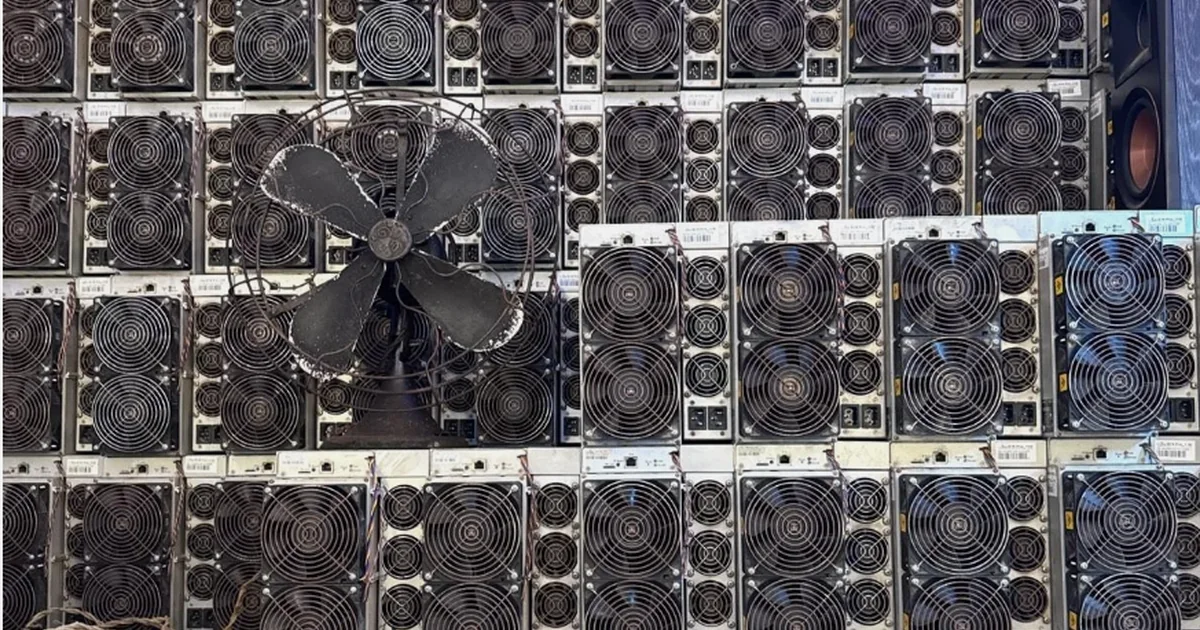
Bitcoin mining is the process of using specialized ASIC miners to secure the Bitcoin network, process transactions, and earn mining rewards. For serious miners, profitability depends on choosing the right hardware, controlling electricity costs, managing heat, and keeping miners online.
At ING Mining, we specialize in tested Bitmain Antminer S19 miners, ASIC mining hardware, firmware optimization, immersion mining setups, and free mining tools for real mining operations.
The numbers this page uses, and when they were true
Everything below is arithmetic on these five inputs. They move daily — re-run
them on the day you buy.
| Input | Value | Source and date |
|---|---|---|
| Network difficulty | 126.23 T | mempool.space, 29 July 2026 |
| Network hashrate | ~862 EH/s | mempool.space, 29 July 2026 |
| BTC price | $64,223 | mempool.space, 29 July 2026 |
| Fee share of block reward | ~0.69% | Luxor, 13 July 2026 |
| Derived hashprice | $32.21 / PH/s / day | calculated from the four rows above |
| US residential power, average | 18.44 ¢/kWh | EIA, May 2026 |
What Is Bitcoin Mining?
Bitcoin mining uses Proof of Work to secure the blockchain. ASIC miners perform trillions of calculations per second to compete for block rewards and transaction fees.
Miners help the network by:
- Verifying Bitcoin transactions
- Securing the blockchain
- Preventing double spending
- Earning BTC block rewards and transaction fees
For a deeper technical explanation, see Bitcoin’s official developer documentation on blockchain mining and Proof of Work.
If you are still separating what mining actually does from what people claim it does, the longer explainer on what Bitcoin mining is and why it matters covers the usual misconceptions, the difference between solo, pool and cloud mining, and the tax and zoning questions that catch home miners out.
ASIC Mining vs GPU Mining
Modern Bitcoin mining is dominated by ASIC miners. Unlike GPUs, ASIC miners are built for one job: mining SHA-256 coins like Bitcoin as efficiently as possible.
Why Antminer S19 Miners Are Still Popular
The Bitmain Antminer S19 series remains one of the most widely used ASIC mining platforms in the world. Models like the S19, S19 Pro, S19j Pro, and S19 XP are popular because they offer strong hashrate, available replacement parts, firmware support, and proven mining farm reliability.
Common Antminer S19 models include:
- Antminer S19 95TH
- Antminer S19 Pro 110TH
- Antminer S19j Pro 100TH / 104TH
- Antminer S19 XP 134TH / 141TH
Worth being precise about what those models actually are, because “S19” covers
machines that are three years and 13 J/TH apart:
| Model | Hashrate | Power | Efficiency |
|---|---|---|---|
| S19 (2020) | 95 TH/s | 3,250 W | 34.2 J/TH |
| S19k Pro | 120 TH/s | 2,760 W | 23.0 J/TH |
| S19 XP | 141 TH/s | 3,010 W | 21.4 J/TH |
The base S19 is a six-year-old machine and it is honest to say so. What keeps
it in service is not performance — it is that the parts supply is deep, the
repair procedures are well known, and the purchase price has fallen far enough
that the machine is nearly free. It is a good buy at 3 ¢/kWh and a bad buy
at 10 ¢. There is no configuration in which it is a good buy at 18
¢.
One hard constraint that ends more first purchases than any spec: every
machine in that table takes 200–277 V AC. None of them
will run from a North American 110 V outlet, and no adapter changes that. At 240
V an S19 pulls about 13.5 A, which needs a dedicated 20 A circuit once you
derate for continuous load.
Browse our available used Antminer S19 miners for sale.
Bitcoin Mining Profitability
Mining profitability depends on several major factors:
- ASIC miner hashrate
- Power consumption in watts
- Electricity cost per kWh
- Bitcoin price
- Network difficulty
- Pool fees
- Cooling and maintenance costs
That list is the shape of the problem. Here is the actual arithmetic, because
a page about profitability that does not do the sum is not much use.
Revenue is hashprice × terahash. Cost is watts × 24 hours ×
your power price. Break-even power price is hashprice ÷ (24
× J/TH). At the 29 July 2026 hashprice of $32.21 per PH/s per
day, against the machines we actually have on the shelf:
| Machine | Hashrate | Power | Efficiency | Revenue/day | Break-even | Margin at 8¢ |
|---|---|---|---|---|---|---|
| SealMiner A2 Pro Air 255T | 255 TH/s | 3,790 W | 14.9 J/TH | $8.21 | 9.0 ¢/kWh | +$0.94 |
| Antminer S21+ 216T | 216 TH/s | 3,564 W | 16.5 J/TH | $6.96 | 8.1 ¢/kWh | +$0.11 |
| Antminer S19 XP 141T | 141 TH/s | 3,010 W | 21.4 J/TH | $4.54 | 6.3 ¢/kWh | −$1.24 |
| Antminer S19k Pro 120T | 120 TH/s | 2,760 W | 23.0 J/TH | $3.86 | 5.8 ¢/kWh | −$1.43 |
| Antminer S19 95T | 95 TH/s | 3,250 W | 34.2 J/TH | $3.06 | 3.9 ¢/kWh | −$3.18 |
Three things fall straight out of that table, and they are the whole
decision:
- No machine here breaks even on average US residential power.
The average is 18.44 ¢/kWh (EIA, May 2026) and the best break-even on the
list is 9.0 ¢. That is true of every machine anyone sells, not just ours.
If your power is residential-rate, mining is a hobby, a heat source, or a
mistake — pick honestly before you buy. - The cheap machine has the hard break-even. A $250 S19 needs
3.9 ¢/kWh; a $4,200 S21-class machine survives to 9.0 ¢. Low purchase
price and low running cost are opposite ends of the same trade. - Hardware cost is not in that table. Those margins are power
only. Subtract the machine, freight, a PDU, and a realistic allowance for
repairs before calling anything a payback period.
The full version of this arithmetic, including how to work out your own
break-even from a bill, is in what to do below break-even.
Read more about cryptocurrency mining profitability.
Firmware Optimization: Braiins OS and VNish
Custom ASIC firmware gives you control over the
voltage-frequency curve and much better telemetry. Be careful with the word
“efficiency”, though, because it cuts both ways and most listings — including
plenty of ours in the past — have been sloppy about it. Overclocking
raises power faster than it raises hashrate. A machine tuned from 115
TH/s to 125 TH/s is less efficient per terahash than it was at stock,
not more. You are buying hashrate with watts. Where firmware genuinely improves
J/TH is the other direction: undervolting to a lower power target, which is what
you want when your power price is high and your break-even is tight. Popular
firmware options include Braiins OS and VNish firmware.
Firmware tuning is especially useful for Antminer S19 miners because operators can balance hashrate, wattage and efficiency against their own electricity rate and cooling setup.
The practical rule we use on the bench: tune up only when power is
cheap enough that the extra watts still clear break-even, and tune down
whenever the machine is closer to break-even than you are comfortable with. And
treat any advertised “boost” figure as a hashrate claim, never an efficiency
claim.
Cooling, Maintenance, and Uptime
Mining hardware produces serious heat. Poor cooling can lead to high temperatures, fan failures, hashboard errors, and reduced miner lifespan.
Mining operations often use:
- High-airflow ventilation
- Hot aisle / cold aisle layouts
- Immersion cooling
- Regular dust removal
- Fan and hashboard monitoring
For larger operations, immersion cooling can reduce noise, improve heat transfer, and extend hardware life when done correctly.
Numbers make this concrete. A 3,250 W S19 puts out about
11,100 BTU/h (watts × 3.412) — roughly a large domestic
space heater running continuously, and it never switches off. It does that at
about 75 dB from four fans, which is workshop noise, not
appliance noise; it is not going in an occupied room and no amount of ducting
makes it quiet. Plan for a garage, an outbuilding, a shed or a hosting facility
before the machine arrives, not after.
The quiet exception is a home-class machine like the Avalon
Q, which is rated 45–65 dB depending on power mode and accepts
110–240 V. It is the only category of Bitcoin miner that belongs anywhere
near living space.
Free ASIC Miner Monitoring Software
Uptime matters. A miner that is offline, overheating, or running below target hashrate is losing money.
ING Mining offers ING Miner Watch, a free ASIC miner monitoring tool for Antminer systems. It helps monitor hashrate, temperatures, fan RPM, chain faults, offline miners, and Gmail alerts from your local machine.
Download ING Miner Watch free ASIC monitoring software.
Common Bitcoin Mining Mistakes
- Buying miners without checking power cost
- Ignoring cooling and airflow
- Running old miners without cleaning them
- Not monitoring hashrate and temperatures
- Overpaying for hardware during market hype
- Failing to account for repairs and downtime
Successful mining is not just about plugging in ASICs. It is about buying hardware at the right price, keeping machines online, managing power, and replacing parts when needed.
Buy Tested Antminer S19 ASIC Miners
ING Mining sells tested and refurbished Bitmain Antminer S19 miners for Bitcoin mining operations. We focus on practical mining hardware, real-world support, ASIC repair knowledge, firmware optimization, and tools that help miners run better operations.
Browse our used ASIC miners for sale or download our free ASIC miner monitoring software.
Frequently Asked Questions
What is ASIC Bitcoin mining?
ASIC Bitcoin mining uses hardware built for one operation — double SHA-256 — to compete for blocks. The machine hashes an 80-byte block header, checks whether the result is below the network target, changes a nonce and repeats, tens of trillions of times a second. It earns a share of the 3.125 BTC block subsidy plus transaction fees. No general-purpose hardware is competitive at this, and has not been since 2013.
Are Antminer S19 miners still profitable in 2026?
Only on cheap power. At the 29 July 2026 hashprice of $32.21 per PH/s per day, a 95 TH/s S19 at 34.2 J/TH breaks even at about 3.9 c/kWh and an S19k Pro at 23 J/TH at about 5.8 c/kWh. The US residential average is 18.44 c/kWh (EIA, May 2026), so on household power an S19 loses roughly $3 a day before you count the hardware. With genuinely cheap industrial or curtailed power it still works, which is exactly why used S19s keep trading.
What is the best hardware for Bitcoin mining right now?
Whichever machine’s break-even power price sits comfortably above what you actually pay. At 9 c/kWh or below, an efficient current-generation machine like a 14.9 J/TH SealMiner A2 Pro Air or a 16.5 J/TH Antminer S21+ is the only thing that clears. Below about 4 c/kWh, older 34 J/TH S19s become interesting again because the purchase price is so much lower. Efficiency is the spec that matters; hashrate on its own tells you nothing.
Does custom firmware make a miner more efficient?
Not if you use it to overclock. Power rises faster than hashrate on the voltage-frequency curve, so a machine boosted from 115 to 125 TH/s is worse in J/TH than it was at stock. Firmware improves efficiency only when you use it to undervolt to a lower power target. It also gives much better telemetry — per-chip temperatures, fan RPM, chain faults — which is worth having regardless of how you tune.
Can I run an Antminer S19 on a normal household outlet?
No. The S19 family takes 200-277 V AC and will not run from a North American 110 V outlet in any configuration; no adapter or converter changes that. At 240 V an S19 draws about 13.5 A, which needs a dedicated 20 A circuit once you derate for continuous load. It also puts out about 11,100 BTU/h at roughly 75 dB. The only Bitcoin miners that suit a normal house are home-class units such as the Avalon Q at 45-65 dB.
Do ASIC miners need monitoring software?
Yes. A machine that is offline, throttling or running a dead hashboard is losing money silently, and the difference between noticing in an hour and noticing in a week is the whole margin on a used machine. Monitoring should cover hashrate, per-board temperatures, fan RPM, chain faults and offline alerts.
Recommended Reading
- ASIC vs GPU Mining: Which Actually Pays
- What Actually Moves Mining Margin: Five Levers, With the Arithmetic
- How to Calculate Mining Profitability: The Two Formulas
- Mining Profitability Metrics: What Each Number Means
Antminer stock this maps onto
The Antminer hardware this maps onto in our current stock:
- Bitmain Antminer S21+ 216T – Efficient SHA-256 Bitcoin Miner
- Bitmain Antminer S21 Pro 234T – Efficient SHA-256 ASIC Miner
- Bitmain Antminer S21 Pro 245T – Efficient Bitcoin Miner
More in Bitmain Antminer, or the full ASIC miner inventory.