Kaspa, Aleo, Dash and CKB Altcoin Miners
Single-chain altcoin ASIC miners — Kaspa (IceRiver KS7 and KS7 Lite, Bitmain KS series), Aleo (IceRiver AE3 and AE0, Goldshell AE-BOX II), Dash X11 (Antminer D9), Nervos CKB Eaglesong (Antminer K7), Tari SHA3x (Goldshell XT Box) and InitVerse. Each of these machines mines one algorithm on one chain and cannot be repointed at anything else.
-
Add to WishlistAdd to Wishlist
-
Add to WishlistAdd to Wishlist
-
Add to WishlistAdd to Wishlist
-
Add to WishlistAdd to Wishlist
-
Add to WishlistAdd to Wishlist
-
Add to WishlistAdd to Wishlist
-
Add to WishlistAdd to Wishlist
-
Add to WishlistAdd to Wishlist
-
Add to WishlistAdd to Wishlist
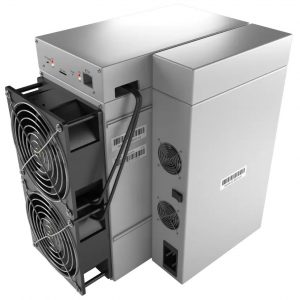
IceRiver AE3 2 GH/s Aleo Miner – 3,400W zkSNARK Prover
Condition: ask -
Add to WishlistAdd to Wishlist
-
Add to WishlistAdd to Wishlist
-
Add to WishlistAdd to Wishlist
Understand the risk before the specs
This is the highest-risk hardware we sell, and we would rather say so than sell you one on a bad assumption. A Bitcoin ASIC has a deep, liquid second-hand market and a network that has been running since 2009. An altcoin ASIC is tied to a single project. If that chain’s price falls, its difficulty spikes, or it forks away from ASIC compatibility, the machine’s value can go to near zero with no alternative use — you cannot repoint a KHeavyHash miner at Bitcoin.
That is a real risk and it has happened before. It is also why the returns can be better: fewer people are willing to take it. Buy here because you have a view on a specific chain, not because a machine looks cheap per unit of hashrate.
How to choose
Pick the chain first, the machine second. The algorithm determines the coin absolutely. KHeavyHash is Kaspa. Eaglesong is Nervos CKB. X11 is Dash. SHA3x is Tari. VersaHash is InitVerse. zkSNARK proving is Aleo. There is no overlap and no switching.
Then check efficiency within that algorithm. Hashrate units differ by chain — GH/s, TH/s and MH/s all appear in this category — so only compare machines mining the same coin.
Then check power and noise. The larger units here are 2.8–3.5 kW industrial machines on 220–240V. The small ones (KS7 Lite, AE0, XT Box) are genuinely home-scale and are the sane way to test a chain before committing capital.
Start small. Run one unit on the chain you believe in for a quarter before you buy ten. The pool payouts, the difficulty trajectory and the resale market will teach you more than any spec sheet.
Six algorithms, and the model name will not tell you which
This category currently spans six unrelated proof-of-work algorithms: KHeavyHash for Kaspa, zkSNARK proving for Aleo, Eaglesong for Nervos CKB, X11 for Dash, SHA3x — which is the XTM in this category’s name — and VersaHash for InitVerse. Nothing crosses over. A gigahash on one of these means nothing on another, and no machine here can be repointed.
Two machines called KS7 are not the same machine
This is the trap on this page and it is worth the paragraph. Both the Bitmain KS7 40T and the IceRiver KS7 30T mine Kaspa on KHeavyHash, and the shared designation is a coincidence of naming between two manufacturers. On the rated figures they are not close. The Bitmain unit draws 3,080 W for 40 TH/s, which is 77 J/TH. The IceRiver unit draws about 3,500 W for about 30 TH/s, which is roughly 117 J/TH. Same coin, same algorithm, same three letters and a digit — and about half again the power bill for each unit of work. The KS7 Lite at 4.2 TH/s on 500 W is roughly 119 J/TH, which is fine for what it is: a 500 W way to test the chain before you commit real capital. The used KS5 Pro 21 TH/s is 150 J/TH, the least efficient Kaspa option here, and it is priced as the older machine it is.
Aleo: confirm the efficiency figure before you choose
The three Aleo machines here are rated a long way apart and we would rather flag that than paper over it. On the figures printed on each listing, the IceRiver AE0 does 60 MH/s on 100 W and the IceRiver AE3 does 2 GH/s on 3,400 W, which both work out near 1.7 J/MH, while the Goldshell AE-BOX II does 54 MH/s on 530 W, which is about 9.8 J/MH. A gap approaching six to one between two boxes of similar output is large enough that we want to confirm it against the exact unit rather than have you plan a site on it. Ask us and we will check the machine in front of us before you order.
CKB and Dash
The two Eaglesong machines are the same machine in two bins: the Antminer K7 58T at 2,813 W and the K7 63.5T at 3,080 W both come out at 48.5 J/TH, so efficiency is off the table and the decision is cost per terahash and what your circuit will carry. For Dash there is one option, the Antminer D9 1770G at 1.60 J/GH on X11.
Why there is no break-even table on this page
On our Bitcoin archives we publish the break-even electricity rate for every machine, because Bitcoin hashprice is public, liquid and slow enough to be worth dating. For these chains it is neither liquid nor slow, and a break-even cent figure for Kaspa or Aleo would be a number with a decimal point and no meaning behind it. The method still works and you should use it: break-even rate = that coin’s hashprice ÷ (24 × the machine’s efficiency), run on the day you buy, in the same units throughout. Our ASIC miner buying guide works the division through on Bitcoin so you can see the shape of it before you apply it to a thinner market.
Who this suits
Miners with a specific thesis on a specific chain and the tolerance for that concentration. If you want the liquid, established option instead, see Bitcoin miners; for merged LTC and DOGE mining see Scrypt miners. Full range in all miners.
Three machines, three completely different algorithms, and they are not interchangeable. The IceRiver AE3 mines Aleo. The IceRiver KS7 30T mines Kaspa. The Antminer K7 58T mines Nervos CKB on Eaglesong. Check which coin you actually intend to mine before you compare any of the headline numbers, because a gigahash on one algorithm means nothing on another.
Because these run different algorithms, compare them within their own section of the ASIC miner comparison table rather than against the Bitcoin machines.
The makers behind these machines
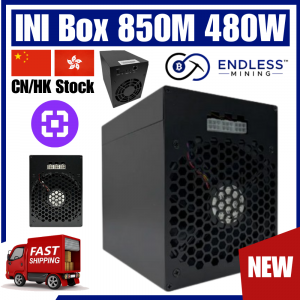
Twelve machines from four makers: Bitmain (the K7 pair on Eaglesong, the KS7 and a used KS5 Pro on KHeavyHash, the D9 on X11), IceRiver (two Kaspa machines and two Aleo provers), Goldshell (Aleo and Tari), and a single Pinecone INI Box for InitVerse, which is the only machine we stock from that maker.
On this page the maker matters more than usual. These are single-coin ASICs, so there is no second chain to fall back to and no aftermarket of the kind a Bitmain machine has — not one listing in our 39-item repair shelf is an IceRiver, Goldshell or Pinecone part. Buy the hardware knowing a board fault is a shipment rather than an afternoon, and read what our repair bench actually stocks before you size a fleet on it.