
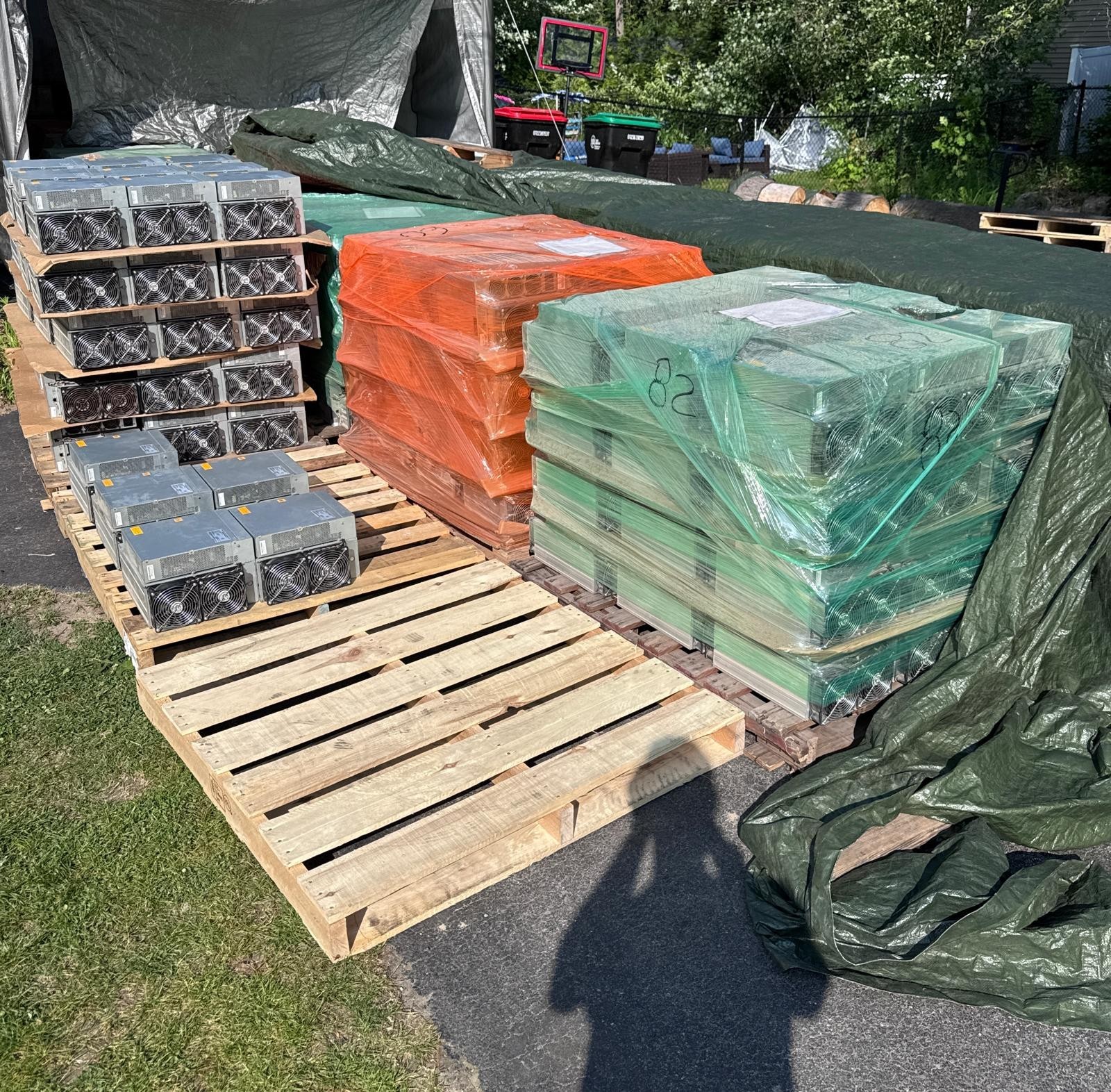
Location, power, cooling. Almost every failed home setup we hear about got that order wrong — the machine arrived first, and then it turned out there was nowhere in the house it could legally, thermally or socially live. A full-size ASIC is roughly 3.0–3.5 kW of continuous load and about 75 dB at a metre, which is a shop vacuum that never switches off.
So the decisions below are in the sequence they have to be made, and each one constrains the next. The money side — what the whole setup costs to build — is itemised separately.
1. Understand ASIC Mining Basics and Performance
ASIC miners are the powerhouse technology behind cryptocurrency mining, representing a quantum leap from traditional computer hardware. These specialized integrated circuits are engineered exclusively for solving complex computational problems that validate blockchain transactions.
Unlike general-purpose computing hardware, ASICs are purpose-built mining machines designed to maximize efficiency and performance. Specialized Bitcoin mining chips can process computational tasks exponentially faster than standard computer processors.
Key characteristics of ASIC miners include:
- Extremely high computational efficiency
- Low power consumption relative to processing power
- Precision-engineered for specific cryptocurrency algorithms
- Significantly higher hash rates compared to CPUs and GPUs
The performance advantage comes from their unique architecture. While general computer processors handle multiple tasks, ASIC chips are laser-focused on one specific computational challenge – mining cryptocurrencies like Bitcoin. This specialization allows them to perform calculations dramatically faster and with less energy expenditure.
To maximize your mining potential, understanding chip optimization techniques like ASIC Boost is crucial. This algorithmic optimization can improve mining performance by up to 20% by reducing gate count and increasing hashing efficiency.
2. Choose the Right Location for Your Setup
Location selection represents one of the most critical decisions for cryptocurrency mining success. Your mining setup’s performance and profitability will dramatically depend on selecting a strategic environment that balances multiple technical and economic factors.
Geographic considerations dramatically impact mining economics. Cryptocurrency mining location factors extend far beyond basic infrastructure requirements.
Key location selection criteria include:
- Electricity costs per kilowatt hour
- Local climate and cooling requirements
- Regulatory environment for cryptocurrency operations
- Internet connectivity and network stability
- Proximity to professional technical support
Electricity represents your largest ongoing expense. Regions with low-cost power from renewable sources like hydroelectric or geothermal offer significant advantages. Places like Iceland provide exceptional conditions with free cooling and cheap sustainable energy.
Beyond electricity, consider temperature and cooling infrastructure. Cooler climates naturally reduce the expense of maintaining optimal hardware temperatures. Mountain regions or northern territories often provide ideal mining environments with lower ambient temperatures.
Regulatory stability is equally crucial. Some jurisdictions offer tax incentives or have cryptocurrency-friendly policies that can enhance your mining operation’s long-term viability.
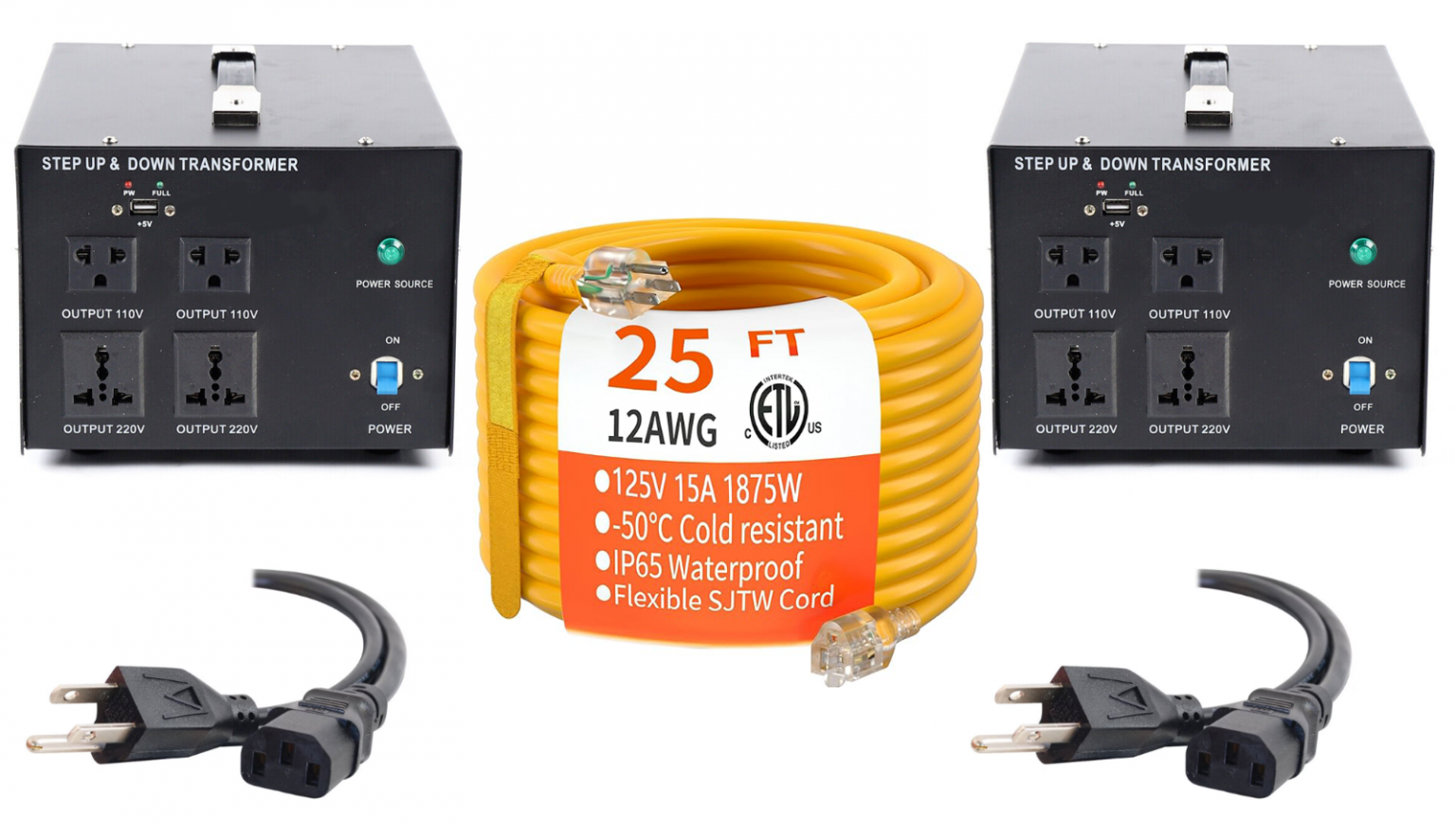
3. Calculate Power Needs and Plug Safety
Power management represents the critical backbone of any successful cryptocurrency mining operation. Understanding and managing your electrical requirements is not just about keeping the lights on – it’s about protecting your investment and ensuring optimal mining performance.
Electrical safety considerations are paramount when setting up a mining rig. Electrical infrastructure can make or break your mining setup.
Key power calculation considerations include:
- Total wattage of mining hardware
- Continuous 24/7 operational power draw
- Cooling system electrical requirements
- Circuit breaker and outlet capacity
- Potential power factor inefficiencies
Mining rigs consume significantly more electricity than standard computer setups. A single ASIC miner can draw between 300 to 1500 watts continuously. This means your home electrical system must be robust enough to handle consistent high-power demands without risking overload or system failure.
Electrical load management requires careful planning. You’ll need to calculate total power consumption by adding the wattage of each mining unit plus auxiliary equipment like cooling fans and networking gear.
Additionally consider these electrical safety steps:
- Use dedicated circuits for mining equipment
- Install high-quality surge protectors
- Ensure proper grounding of all electrical connections
- Regularly inspect cables and connections for wear
4. Plan Cooling Solutions for Stable Mining
Which cooling type you are planning for is a decision you make when you buy, not afterwards: air, hydro and immersion compared covers what each one requires of the room and of your budget.
Cooling represents the most critical environmental factor in maintaining cryptocurrency mining hardware performance and longevity. Without strategic thermal management, your expensive mining equipment can quickly degrade or fail completely.
Cooling is a choice between air, hydro and immersion, and it is made for you by the machine you buy rather than by preference — we set out what each one actually makes you build in ASIC miner cooling. Thermal management is not optional – it is absolutely essential for sustainable mining operations.
Cooling solution strategies include:
- Air cooling with high-velocity fans
- Liquid cooling systems
- Immersion cooling technologies
- Hybrid cooling approaches
- Strategic airflow management
Traditional air cooling works well for small setups but becomes increasingly inefficient as mining operations scale. Liquid cooling offers superior thermal transfer capabilities compared to air-based systems, reducing hardware temperature more effectively and consistently.
Temperature regulation methods range from simple desktop fans to advanced liquid cooling systems with programmable temperature controls. Home miners typically start with robust air cooling solutions before transitioning to more sophisticated approaches.
Advanced cooling considerations include:
- Monitoring ambient room temperature
- Implementing automatic thermal shutdown protocols
- Creating dedicated ventilation pathways
- Using thermal monitoring software
5. Estimate Operating Costs and Profit Margins
Successful cryptocurrency mining hinges on understanding the complex economics of your operation. Profitability is not just about mining hardware but about meticulously tracking every expense and potential revenue stream.
Cryptocurrency mining economics require careful financial analysis beyond simple equipment purchases. Your goal is to create a sustainable operation that generates consistent returns.
Key cost factors to consider include:
- Electricity rates per kilowatt hour
- Initial hardware investment
- Ongoing maintenance expenses
- Cooling and infrastructure costs
- Mining pool membership fees
- Potential hardware depreciation
Electricity consumption represents the most significant ongoing expense for miners. A single ASIC miner can consume between 300 to 1500 watts continuously, translating to substantial monthly electricity bills depending on local utility rates.
Financial modeling becomes critical for determining long-term mining viability. You must develop a comprehensive spreadsheet that tracks all potential income and expense variables.
Mining profitability calculation steps:
- Calculate total hardware costs
- Determine monthly electricity expenses
- Estimate mining pool revenue
- Factor in maintenance and replacement costs
- Project potential return on investment
6. Check Warranty, Testing, and Support Services
Warranty and support services represent your critical safety net in the complex world of cryptocurrency mining hardware. Purchasing mining equipment without understanding warranty terms is like driving without insurance.
Cryptocurrency equipment testing standards ensure hardware reliability and performance. Reputable manufacturers provide comprehensive warranties that protect your significant investment against potential manufacturing defects and premature failures.
Key warranty and support considerations include:
- Manufacturer warranty duration
- Coverage for hardware malfunctions
- Technical support availability
- Repair or replacement policies
- Shipping and handling terms
- Certification and testing credentials
Professional testing laboratories verify hardware performance through rigorous diagnostics. These evaluations assess thermal stability, computational efficiency, power consumption, and long-term durability under demanding mining conditions.
Support services differentiate quality manufacturers from mediocre suppliers. Look for companies offering responsive technical assistance, clear communication channels, and transparent replacement policies.
Warranty verification steps:
- Request detailed warranty documentation
- Understand exact coverage limitations
- Check manufacturer’s reputation for honoring claims
- Verify international support capabilities
- Confirm process for potential equipment replacement
7. Scale and Upgrade Your Mining Operation Confidently
Scaling a cryptocurrency mining operation requires strategic planning and calculated investments. Expansion is not about buying more hardware but about building a sustainable and adaptable infrastructure.
Mining technology integration strategies reveal that successful scaling involves more than simply adding equipment.
Key scaling considerations include:
- Gradual hardware acquisition
- Modular infrastructure design
- Flexible power management
- Continuous performance monitoring
- Adaptable cooling solutions
- Strategic technological upgrades
Modern mining operations require intelligent expansion strategies that balance immediate capabilities with future potential. This means selecting hardware that can be easily integrated and upgraded without complete system redesigns.
Technology adoption drives operational growth. Each new piece of equipment should complement your existing infrastructure while providing improved computational efficiency and energy management.
Upgrade implementation steps:
- Assess current mining performance
- Identify infrastructure limitations
- Research next-generation hardware
- Plan phased equipment replacement
- Monitor performance metrics continuously
Below is a comprehensive table summarizing the main aspects of ASIC mining and considerations for cryptocurrency mining setups discussed throughout the article.
Get the electrical work quoted before the machine, not after: a 3,250 W miner at 240 V wants a dedicated circuit and a 30 A breaker, and that is the line item first-time buyers most often have not budgeted. Requirements per machine are on the ASIC miner power requirements page, and cooling is set out in ASIC miner cooling.
Frequently Asked Questions
What are the basic components I need for a mining setup?
To start a mining setup, you need ASIC miners, a reliable power supply, cooling solutions, and a secure location. Ensure you purchase quality hardware that fits your budget while considering electricity and cooling expenses to maintain efficiency.
How do I calculate the power needs for my mining rig?
To calculate power needs, add the wattage of your mining hardware and any additional equipment, like cooling fans. For example, if your ASIC miner consumes 1000 watts and your cooling system adds another 200 watts, ensure your electrical system can handle at least 1200 watts continuously.
What are effective cooling solutions for cryptocurrency mining?
Effective cooling solutions include air cooling with high-speed fans, liquid cooling systems, or immersion cooling technologies. Choose a method that suits your setup size, as proper cooling can extend your equipment’s lifespan by up to 40%.
How do I determine the best location for my mining operation?
To determine the best location, evaluate factors such as electricity costs, local climate, and internet connectivity. Select a location where electricity is affordable and the climate is cool to naturally facilitate effective cooling.
How can I plan my budget and estimate operating costs for mining?
To plan your budget, list all potential costs, including electricity rates, hardware investment, and ongoing maintenance. Create a spreadsheet to track these expenses and compare them to estimated mining revenues for better financial forecasting.
What should I look for in warranty and support services for mining equipment?
When considering warranty and support, check the warranty duration, coverage for malfunctions, and availability of technical assistance. Ensure you understand the replacement process and verify that the manufacturer has a good reputation for honoring warranty claims.
More on siting and powering a miner
- 7 Essential Tips for Your Cryptocurrency Mining Safety Checklist
- How to Start Crypto Mining for Reliable Home Profits
- Mining 101: A Beginner’s Guide to Cryptocurrency Mining
- 7 Essential ASIC Miner Maintenance Tips for Reliability
Graded stock, condition stated on the listing
Where warranty and condition matter most, start with these:
- Used Antminer S19k Pro 115TH/s – Tested, Braiins OS Boost to ~125TH/s
- 1200W HP power supply for Goldshell box miners
- Lot of 100 Refurbished Bitmain Antminer S19 110TH/s Miners – Boosted, Braiins OS
More in Used ASIC miners, or the full ASIC miner inventory. Warranty mechanics on resold hardware are covered in our S21 Pro versus SealMiner head-to-head.