
Mining hardware shipping guide 2026: logistics and costs
Shipping cryptocurrency mining hardware involves navigating complex logistics, managing costs, and protecting valuable equipment from damage. Whether you’re a first-time home miner receiving a single ASIC or a commercial operation importing dozens of units, understanding shipping methods, customs requirements, and verification processes is critical. Poor planning leads to damaged hardware, unexpected fees, and costly delays that impact mining profitability. This guide walks you through preparation, shipping options, cost management, and post-delivery verification to ensure your mining equipment arrives safely and starts generating revenue quickly.
Key takeaways
| Point | Details |
|---|---|
| Proper packaging protects expensive ASIC miners during transit | Using anti-static materials and shock-absorbent padding prevents damage to sensitive mining components. |
| Choosing the right shipping method balances cost and speed | Air freight offers speed while sea freight reduces costs for bulk shipments. |
| Understanding customs and insurance options reduces risks | Proper documentation and full-value insurance protect against loss, theft, and delays. |
| Verifying shipment condition ensures operational readiness upon arrival | Immediate inspection and performance testing minimize downtime and identify damage early. |
| Following best practices minimizes downtime and unexpected expenses | Strategic planning reduces total shipping costs and accelerates mining operation setup. |
Preparing your mining hardware for shipping
Before your ASIC miner leaves the warehouse, thorough preparation protects your investment and ensures compliance with carrier requirements. Start by cleaning the hardware completely to remove dust, debris, and any residue that could cause issues during inspection or operation. Mining equipment accumulates significant dust during testing, and customs officials may flag dirty shipments for additional inspection, causing delays.
Proper packaging is essential to protect mining hardware from damage during transit. Use anti-static bags or wraps to shield circuit boards from electrostatic discharge, which can destroy sensitive components even when the unit is powered off. Surround the miner with shock-absorbent materials like foam inserts, bubble wrap, or custom-cut padding that prevents movement inside the box. The goal is zero internal shifting during handling and transport.
Retaining original manufacturer packaging provides the best protection because it’s engineered specifically for that hardware model. If original boxes aren’t available, use double-walled cardboard boxes rated for the miner’s weight plus packaging materials. Reinforce corners and edges with additional padding, as these areas absorb the most impact during drops or rough handling.
Documentation is equally critical for smooth customs clearance and insurance claims. Include commercial invoices with accurate hardware descriptions, values, and serial numbers. Attach packing lists detailing every item in the shipment, including power supplies, cables, and accessories. Keep digital copies of all documents and photographs showing the hardware’s condition before packaging.
Label packages clearly with handling instructions like “Fragile,” “This Side Up,” and “Electronic Equipment.” These labels alert handlers to exercise extra care, though you should never rely on labels alone to protect your shipment. External markings should also include shipper and receiver contact information in case carriers need to resolve delivery issues.
Pro Tip: If shipping to regions with extreme temperatures or high humidity, use climate-controlled packaging solutions like insulated liners or desiccant packs. Temperature fluctuations can cause condensation inside sealed packages, leading to corrosion on circuit boards and connectors that may not become apparent until you power up the equipment.
Choosing the right shipping method and managing costs
Selecting the optimal shipping method requires balancing speed, cost, and shipment size against your operational timeline and budget. Four primary methods dominate cryptocurrency mining hardware shipping, each with distinct advantages and limitations.
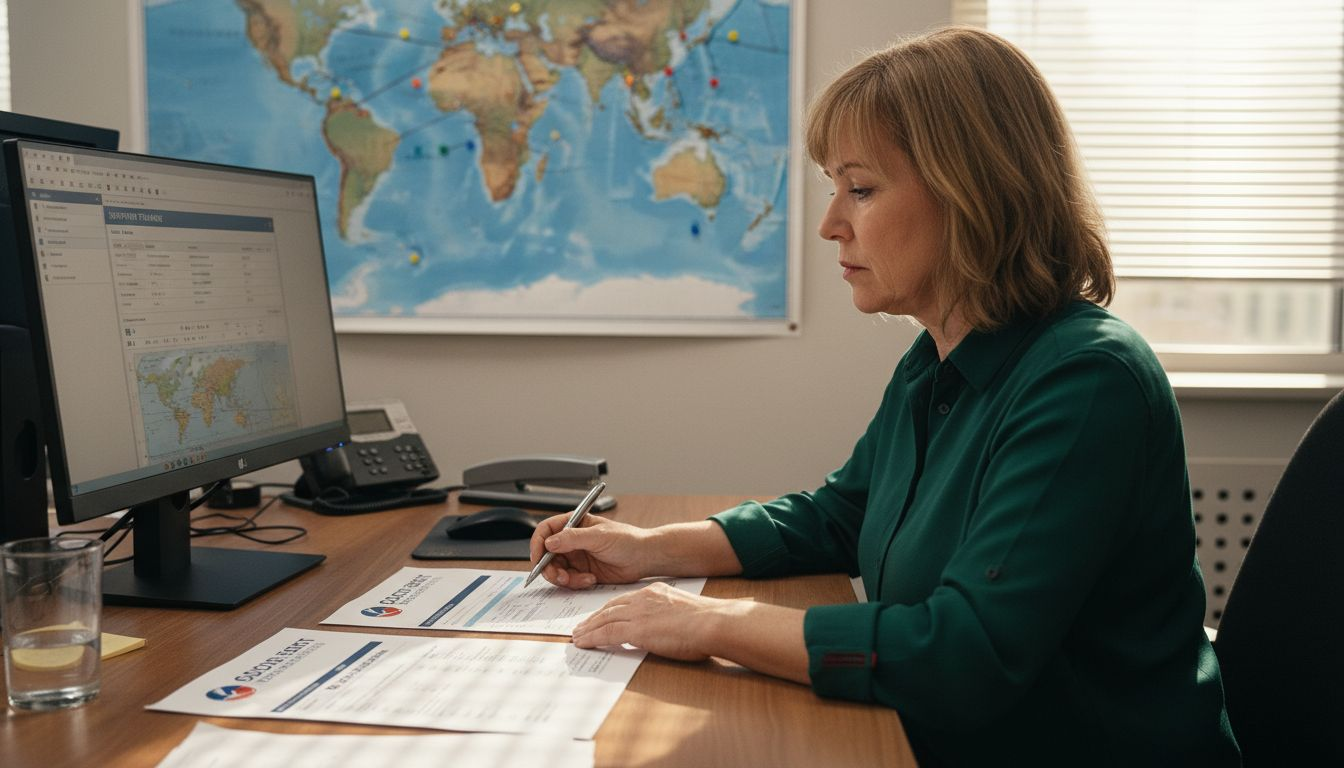
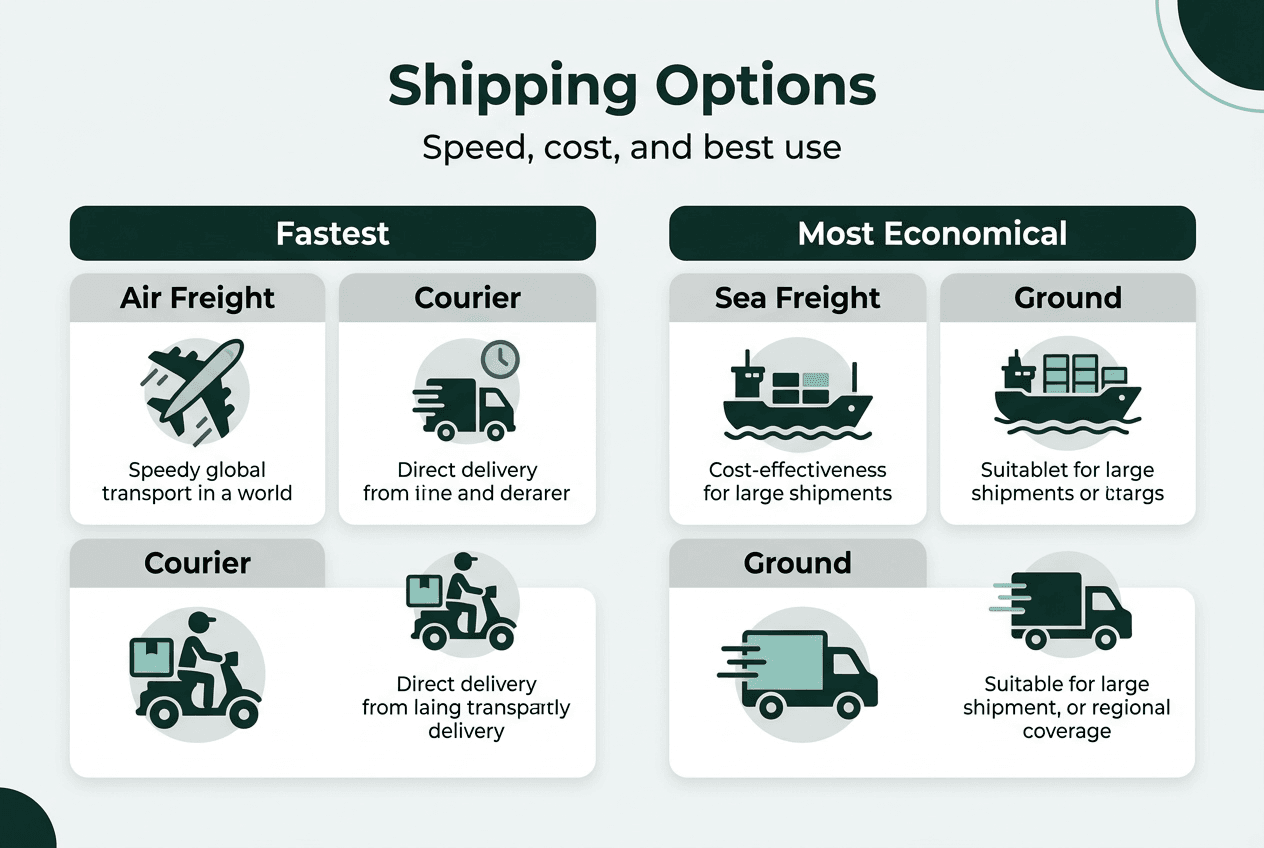
Air freight delivers the fastest transit times, typically 3 to 7 days for international shipments, making it ideal when you need equipment operational quickly to capitalize on favorable mining conditions or network difficulty changes. However, air freight costs 3 to 5 times more than sea freight per kilogram, significantly impacting margins on bulk orders. Use air freight for urgent single-unit shipments or when mining profitability windows justify premium shipping costs.
Sea freight offers the most economical option for large shipments, with costs as low as one-fifth of air freight rates. Transit times range from 20 to 45 days depending on origin and destination ports, plus additional time for customs clearance and inland transport. Sea freight makes sense when ordering multiple miners or establishing new mining facilities where timeline flexibility exists. The cost savings on a 20-unit shipment can fund an additional miner.
Courier services like DHL, FedEx, and UPS provide door-to-door convenience with tracking, insurance options, and streamlined customs handling. These services work well for 1 to 5 miners, offering faster delivery than sea freight without air freight’s extreme costs. Couriers handle customs documentation and provide real-time tracking, reducing your administrative burden. Expect delivery within 5 to 10 days internationally.
Ground shipping serves domestic shipments or cross-border moves to adjacent countries. Costs fall between courier and sea freight rates, with transit times of 3 to 14 days. Ground shipping suits miners expanding operations within the same country or region, offering reasonable speed without international shipping complexities.
Shipping costs vary widely depending on method, location, and package size and weight. Beyond base shipping rates, factor in customs duties, import taxes, fuel surcharges, and insurance premiums when calculating total delivered cost. Duties and taxes often add 10% to 30% to hardware value, varying by destination country and product classification.
| Shipping Method | Speed | Cost Range | Best For | Key Limitation |
|---|---|---|---|---|
| Air Freight | 3-7 days | High | Urgent single units | Expensive for bulk |
| Sea Freight | 20-45 days | Low | Large shipments | Long transit time |
| Courier Service | 5-10 days | Medium-High | 1-5 miners | Cost increases with weight |
| Ground Shipping | 3-14 days | Medium | Domestic moves | Limited to regional |
Pro Tip: Request quotes from at least three carriers and negotiate rates based on shipment volume. Many carriers offer discounts for regular shippers or consolidated shipments. If ordering multiple miners over several months, consider scheduling deliveries together to qualify for volume discounts that can reduce per-unit shipping costs by 15% to 25%.
Navigating customs, insurance, and tracking for mining hardware shipments
International shipments face customs regulations that vary dramatically by country, making advance research essential to avoid delays and penalties. Start by identifying your destination country’s import requirements for electronic equipment and cryptocurrency mining hardware specifically. Some nations classify ASIC miners as specialized computing equipment subject to additional scrutiny or restrictions.
Essential customs documents include a commercial invoice detailing hardware specifications, values, and intended use. The packing list must itemize every component, including power supplies, cables, and accessories, with weights and dimensions. A certificate of origin verifies where the equipment was manufactured, which affects duty rates under trade agreements. Some countries require import licenses or permits for high-value electronics, so verify requirements weeks before shipping.
Professional customs brokers simplify clearance for miners unfamiliar with international trade regulations. Brokers handle documentation, communicate with customs officials, pay duties and taxes on your behalf, and resolve issues that arise during inspection. Their fees typically range from $100 to $500 per shipment but prevent costly mistakes and delays. For first-time international buyers or shipments to countries with complex regulations, broker services deliver excellent value.
Proper insurance and understanding customs processes reduce risks of loss or delays. Standard carrier liability covers only a fraction of your hardware’s value, often $100 or less per package. Full-value insurance protects against theft, damage, loss, and transit delays, covering replacement cost if equipment arrives damaged or never arrives at all. Premium costs range from 1% to 3% of declared value, a small price for protecting five-figure mining hardware investments.
When selecting insurance, verify coverage includes door-to-door protection, not just port-to-port or warehouse-to-warehouse. Confirm the policy covers all transit modes if your shipment involves multiple carriers. Read exclusions carefully, as some policies exclude damage from improper packaging or undeclared hazards. Choose insurers experienced with electronics and mining equipment who understand the specialized risks.
Active shipment tracking identifies problems early when solutions are still possible. Most carriers provide online tracking with status updates at each checkpoint. Set up automatic notifications for key events like customs clearance, delivery attempts, and exceptions. If tracking shows your shipment stalled at customs for more than 48 hours, contact your broker or carrier immediately to investigate and resolve issues before they escalate into week-long delays.
Maintain photographic evidence of hardware condition before packaging and shipping. Capture clear images of serial numbers, exterior condition, and any existing marks or wear. These photos prove pre-shipment condition if you need to file insurance claims for transit damage. Store images with shipping documents in a dedicated folder for each order, making claim filing faster and more successful.
- Commercial invoice with accurate hardware values and descriptions
- Detailed packing list itemizing all components and accessories
- Certificate of origin proving manufacturing location
- Import licenses or permits if required by destination country
- Full-value insurance policy covering theft, damage, and loss
- Photographic documentation of pre-shipment hardware condition
Verifying shipment condition and setup after delivery
The moment your mining hardware arrives, systematic inspection and testing protect against undetected damage and ensure operational readiness. Delivery acceptance isn’t the finish line, it’s the start of verification that determines whether your equipment mines profitably or sits idle awaiting repairs.
Begin by examining packaging before opening anything. Look for crushed corners, punctures, water stains, or torn seals that indicate rough handling or environmental exposure. If outer packaging shows significant damage, photograph it from multiple angles and note concerns on the delivery receipt before signing. Carriers require damage documentation at delivery time to process claims, so never skip this step even if you’re excited to unbox your new miner.
Once you’ve documented external condition, carefully open packages and inspect hardware for physical damage. Check for bent heat sinks, cracked circuit boards, loose components, or disconnected cables. Examine connectors and ports for bent pins or foreign objects. Look for moisture indicators or condensation inside anti-static bags, which signal exposure to humidity that could cause corrosion.
Power up equipment as soon as practical after delivery, ideally within 24 hours. Waiting weeks to test miners discovered damaged means carriers and insurers may dispute whether damage occurred during shipping or afterward. Connect the miner to appropriate power and network infrastructure, then run manufacturer diagnostics or mining pool tests to verify hash rate performance matches specifications.
Inspecting and testing mining hardware immediately after shipment minimizes downtime and maximizes profitability. Performance testing reveals issues invisible during physical inspection, like degraded hash boards or faulty cooling fans. Run the miner for at least 2 to 4 hours while monitoring temperatures, hash rate stability, and error rates. Compare results against manufacturer specifications and your purchase agreement.
If you discover damage or performance issues, document everything immediately with photos and performance logs. Contact your carrier and insurance provider within their claim filing deadlines, typically 24 to 72 hours for visible damage and 7 to 14 days for concealed damage discovered during testing. Provide all documentation, including pre-shipment photos, delivery receipts noting damage, and post-delivery test results.
Store equipment properly during extended testing periods to prevent additional damage. Keep miners in climate-controlled environments away from moisture, dust, and temperature extremes. If you’re testing multiple units, maintain clear labeling so you can track which miners passed inspection and which require warranty claims or repairs.
Pro Tip: Create a standardized post-delivery inspection checklist covering packaging condition, physical hardware inspection, power-up procedures, and performance testing steps. Using the same checklist for every shipment ensures you never miss critical verification steps and builds consistent documentation that strengthens insurance claims if problems arise. Digital checklists with photo upload fields streamline the process and create timestamped records.
- Inspect outer packaging for damage before opening and photograph any concerns
- Document package condition on delivery receipt before signing
- Open packages carefully and examine hardware for physical damage or moisture
- Check all connectors, ports, and components for integrity
- Power up miners within 24 hours and run diagnostic tests
- Monitor hash rate, temperatures, and error rates for 2 to 4 hours
- Compare performance results against manufacturer specifications
- Document any issues with photos and performance logs immediately
- Contact carrier and insurer within claim deadlines if problems are found
- Store equipment in climate-controlled conditions during testing
Explore expert-reviewed mining hardware and resources
Successful mining operations start with informed hardware decisions and reliable shipping execution. ING Mining provides comprehensive resources to help you select the right equipment, understand performance expectations, and maximize mining profitability from day one.
Our detailed hardware comparison guides evaluate current ASIC models across hash rate, power efficiency, and total cost of ownership. We test equipment under real mining conditions to provide accurate performance data you can trust when making purchase decisions. Compare specifications, operating costs, and profitability projections for top ASIC miners in 2026 to identify models that match your budget and mining goals.
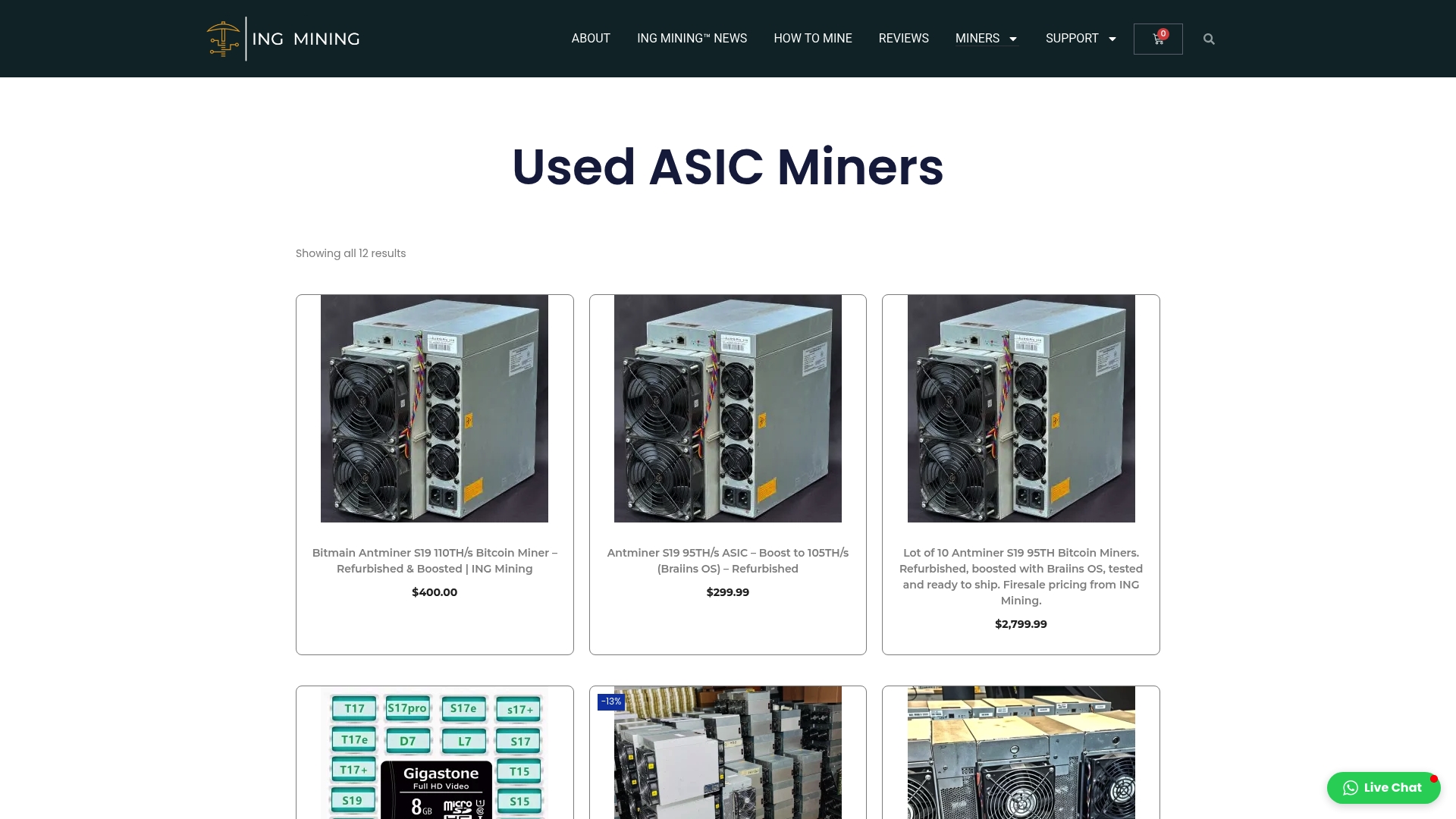
Looking to reduce upfront costs without sacrificing performance? Explore our selection of professionally refurbished used ASIC miners that deliver reliable hash rates at significant discounts. Every unit undergoes rigorous testing and verification before shipping, ensuring you receive mine-ready equipment backed by our quality guarantee.
How do I choose the best shipping method for my mining hardware?
How do I choose the best shipping method for my mining hardware?
Your choice depends on urgency, shipment size, and budget constraints. Air freight suits situations where you need equipment operational within days to capture favorable mining windows, despite costs running 3 to 5 times higher than alternatives. Sea freight makes sense for bulk orders of 10 or more miners when you can tolerate 20 to 45 day transit times, reducing per-unit shipping costs dramatically. Courier services offer the best balance for 1 to 5 miners, providing door-to-door convenience with tracking and reasonable delivery speeds. Calculate total delivered cost including duties, taxes, and insurance before deciding, as the cheapest base rate rarely equals the lowest total cost.
What documentation do I need for shipping cryptocurrency mining hardware internationally?
International shipments require a commercial invoice listing hardware specifications, values, and serial numbers for customs valuation. Include a detailed packing list itemizing every component, accessory, and cable with weights and dimensions. A certificate of origin proves manufacturing location and may qualify your shipment for reduced duty rates under trade agreements. Some countries require import licenses or permits for high-value electronics, so research destination requirements at least two weeks before shipping. Keep digital and physical copies of all documents, as customs officials may request them at multiple checkpoints during clearance.
How can I insure my mining hardware during shipment?
Purchase full-value insurance covering the complete replacement cost of your mining equipment, not just carrier liability limits of $100 or less per package. Work with carriers offering specialized electronics insurance or third-party insurers experienced with cryptocurrency mining hardware. Verify coverage includes theft, physical damage, loss, and transit delays from door-to-door, not just warehouse-to-warehouse. Insurance premiums typically cost 1% to 3% of declared value, a worthwhile investment for protecting five-figure ASIC investments. Document hardware condition with photographs before shipping to support claims if damage occurs during transit.
What should I do if my mining hardware arrives damaged?
Document damage immediately with clear photographs showing packaging condition, hardware defects, and any visible problems before moving or unpowering equipment. Note damage on the delivery receipt before signing, as carriers require acknowledgment at delivery time for visible damage claims. Contact your shipping carrier and insurance provider within their claim filing deadlines, typically 24 to 72 hours for obvious damage and 7 to 14 days for issues discovered during performance testing. Provide all documentation including pre-shipment photos, delivery receipts, and diagnostic test results showing performance degradation. Preserve all packaging materials until claims are resolved, as insurers may require inspection of damaged boxes and padding materials.