

In a thin market, the price is not set by the crowd. It is set by whoever is willing to move the most size, and in crypto that is a small number of very large holders. That is why a coin can jump or collapse with no news attached, and why retail participants routinely find out what happened after it has happened. This page is about the actors rather than the mechanism — who moves a price, how, and what it means if you are deciding whether to buy mining hardware.
The plumbing itself — order books, bids and asks — is covered in how cryptocurrency prices are actually set.
Whales, and why they matter more here than elsewhere
A “whale” is simply a holder large enough that their own trading moves the market. They exist in every asset class, but they matter disproportionately in crypto for two structural reasons:
- Ownership is concentrated. A large share of most coins sits in a small number of addresses, and on smaller chains that concentration is extreme.
- Order books are thin. A trade that would be routine in a major equity can consume most of the visible depth on a crypto pair. The smaller the coin, the less size it takes.
The practical effect is that a single participant deciding to exit can walk a price down through the book with no news whatsoever — and the explanations that appear afterwards are usually reverse-engineered narrative rather than cause.
The other actors
- Exchanges themselves. Listings, delistings, outages and withdrawal suspensions move prices sharply because they change who can trade at all. A listing on a major venue adds buyers; a suspension removes sellers’ ability to sell, which is not the same as removing their desire to.
- Leverage and liquidations. Much crypto trading is leveraged, and leveraged positions are closed automatically when they move against the holder. That creates cascades: a fall triggers liquidations, which force selling, which deepens the fall. Cascades are mechanical, not emotional, and they are why moves are often far larger than the news that started them.
- Prominent individuals. Public figures endorsing or abandoning a coin can shift demand quickly, particularly for assets whose main asset is attention. It is real and it is not a foundation.
- Retail flow. Individually small, collectively large, and typically last. By the time a move is broadly visible, the size that caused it has usually already traded.
Why this is a warning, not a strategy
Knowing that whales move markets does not let you trade like one. “Following the whales” is a durable and expensive myth: on-chain movements are visible but ambiguous — a transfer to an exchange might be a sale, a custody change, a loan or a market-making inventory move — and by the time it is interpretable the trade is done.
What it should actually change is your risk assessment, especially for smaller coins. If a chain’s ownership is concentrated and its order book is thin, then your ability to sell what you mine is contingent on other people’s decisions. That is a real cost of mining that coin, and it belongs in the model.
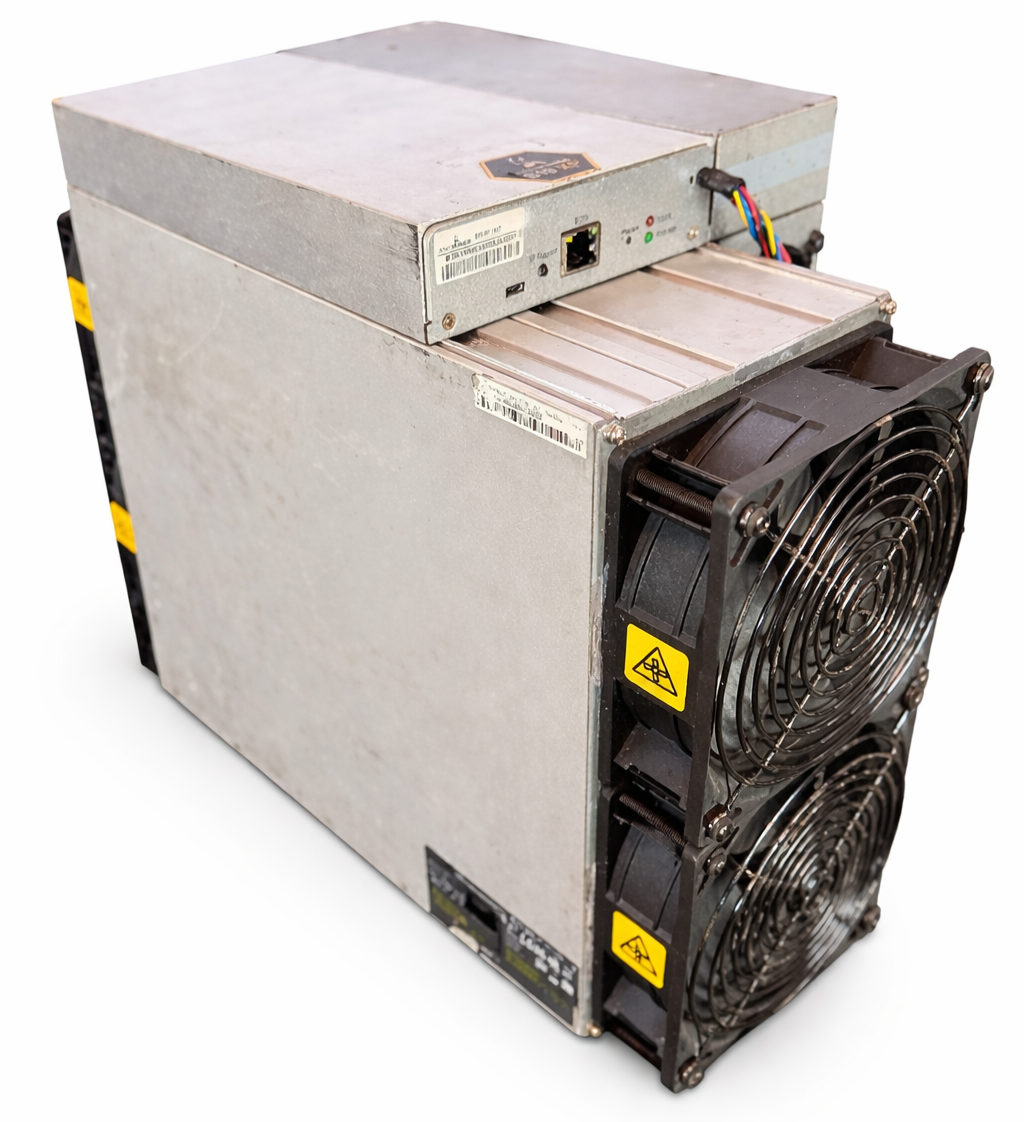
What this means for buying mining hardware
Here is the useful conclusion, and it is deliberately unexciting: build a hardware decision that does not depend on price at all.
Mining economics reduce to three measurable inputs — your all-in delivered electricity rate, the machine’s efficiency in J/TH, and today’s hashprice — combined through break-even $/kWh = hashprice ÷ (24 × J/TH). That tells you the electricity price at which a machine stops earning, with no forecast required. If the purchase only works assuming the price rises, it does not work.
Two direct implications:
- Prefer the most liquid chain. A SHA-256 machine can always mine Bitcoin, which has the deepest market and the deepest resale market for hardware. Single-coin altcoin ASICs carry both thin coin liquidity and thin hardware liquidity — see cryptocurrency mining hardware beyond Bitcoin.
- Buy on efficiency, not on excitement. Every machine ranked by break-even power price is the version of this that decides purchases, and the method is in the ASIC miner buying guide.
Background: what Bitcoin is and what mining actually does and where new bitcoins come from. Stock: the full miner inventory.
Frequently Asked Questions
What is a crypto whale?
A holder large enough that their own buying or selling moves the market price. Whales exist in every asset class but matter disproportionately in crypto because ownership is concentrated in relatively few addresses and order books are thin, so a single trade can consume most of the visible depth on a pair. The smaller the coin, the less size it takes to move it.
Why does a coin price move with no news?
Usually because a large holder traded, or because leveraged positions were liquidated. Leveraged trades close automatically when they move against the holder, so a fall triggers forced selling that deepens the fall in a mechanical cascade. Explanations published afterwards are frequently narrative fitted to a move that had a structural cause rather than an informational one.
Can I follow whale wallets to predict price moves?
Not reliably. On-chain movements are visible but ambiguous: a transfer to an exchange could be a sale, a custody change, a loan or market-making inventory, and there is no way to tell from the transaction alone. By the time a movement is interpretable, the trade that mattered has already happened. Treat concentration as a risk factor to price in, not as a signal to trade on.
How should price volatility affect my mining hardware purchase?
It should push you toward a decision that does not depend on price at all. Mining economics reduce to your all-in electricity rate, the machine’s J/TH efficiency and today’s hashprice, combined as break-even rate equals hashprice divided by 24 times J/TH. That gives the electricity price at which the machine stops earning without forecasting anything. If a purchase only works assuming prices rise, it does not work.
Does market concentration matter when choosing which coin to mine?
Yes, and it is routinely ignored. If a chain’s ownership is concentrated and its order book is thin, your ability to convert what you mine into money at a reasonable price depends on other participants’ decisions. That is a genuine cost of mining that coin and belongs in the model, alongside the fact that hardware for a single small chain has almost no resale market if the chain stops.