
Telecom DC Power Systems and Rectifiers
Carrier-grade telecom hardware and -48 V DC power plant: Ericsson RBS base station equipment, Eltek rectifier shelves and battery backup modules. This gear comes out of cell site and central office decommissions. It is heavy, it is rack-mount, and most of it expects a -48 V DC plant rather than a wall outlet.
-
Add to WishlistAdd to Wishlist
-
Add to WishlistAdd to Wishlist
The power plant is the buying decision
If you are not already running -48 V DC, budget for that before you budget for the hardware. A telecom rectifier shelf is built to feed a DC bus with a battery string behind it, and the batteries, the bus bar and the breakers are all separate purchases. People buy a rectifier shelf expecting a power supply and receive half of a system.
Configuration varies unit to unit
Rectifier count, controller card, shelf population and which radio modules are present all vary between otherwise identical-looking units, and a decommissioned shelf rarely comes out fully populated. Ask us for the module list and we will photograph what is physically in the chassis before you buy. We do not publish a configuration we have not looked at.
Freight, not shipping
These ship on a pallet. Freight is quoted per item to your ZIP code and it is not a rounding error against the price of the hardware.
Who this suits
Someone who already knows what an RBS 6000 or an Eltek shelf is, and who has somewhere to put it. If you arrived here from the miner catalogue looking for a power supply for an ASIC, this is not it — miner PSUs are 200 to 277 V AC units and nothing on this page will run one.
Neither of these is a UPS
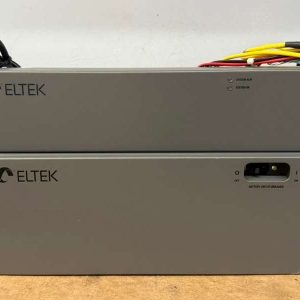
The Eltek LP system is central-office −48 V DC plant, and its architecture is the reason to want one: a shelf carrying the backplane, busbars and distribution breakers; hot-pluggable rectifier modules that regulate mains down to −48 V and float-charge the battery string, so a spare module is N+1 redundancy rather than a spare in a cupboard; a controller handling float and boost charge, low-voltage disconnect and alarms; and a battery bus that the load sits directly on. That last part is what separates it from a UPS. When mains fails there is no transfer and no switchover window — the battery is already carrying the bus.
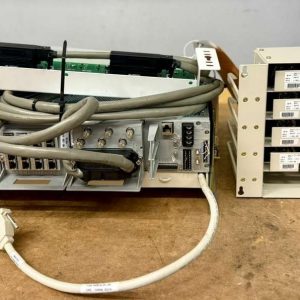
The Ericsson RBS 6000 assembly is filed here because it runs on −48 V DC too, but it is a radio node, not a power system, and it will not do anything useful on its own. The digital unit is node-licensed and provisioned from an operator’s management system, the radios are locked to specific bands, and transmitting on licensed spectrum without authorisation is illegal everywhere we ship. It is honest stock for spares on an existing licensed deployment, for lab and training use, for teardown and component recovery, or for scrap. It is not a home LTE network, and we would rather lose the sale than let somebody find that out after the freight.
What to get in writing before either one ships
Both listings were imported without model numbers, output ratings or a stated condition, and neither states a warranty term. We have not reverse-engineered any of that into a spec table to make the page look finished. Ask for photographs of the labels and we will read off the shelf model, the rectifier part numbers and count, the rated output current in amps at −48 V, and the controller type — and settle the freight quote to your ZIP code at the same time. These palletise; freight is the second decision, not an afterthought.
The Eltek LP system is a rectifier-based DC plant with battery backup, and the Ericsson RBS 6000 unit is baseband and radio equipment from a cellular base station. Both are heavy, both ship freight, and both are the kind of thing you already know you need if you are on this page.