
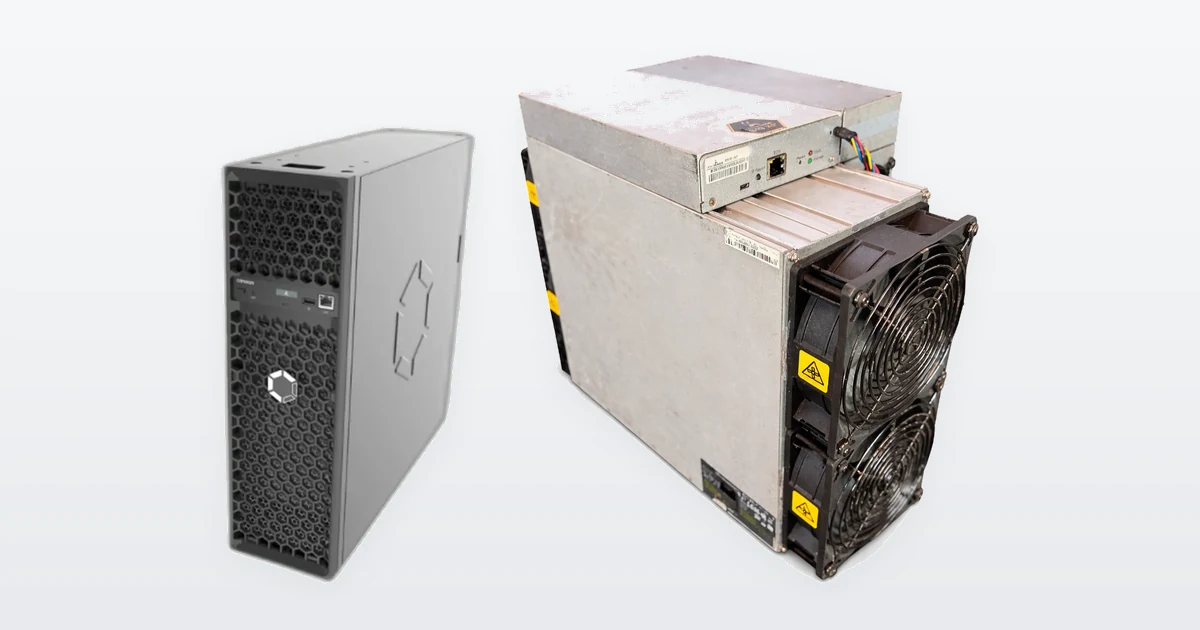
Finding the right path in the competitive world of cryptocurrency mining can be a real challenge for any American newcomer. With the soaring cost of electricity in many United States regions, even a small difference in power rates can decide whether your mining venture is profitable or not. Before investing in an ASIC miner, it pays to understand how your goals, budget, and available resources shape your strategy. This guide breaks down the honest steps to help American buyers make smart, practical choices and move closer to real mining success.
Table of Contents
- Step 1: Assess Your Mining Goals And Available Resources
- Step 2: Determine Power Supply Needs And Site Requirements
- Step 3: Compare ASIC Miner Models And Performance
- Step 4: Verify Profitability With Real-World Projections
- Step 5: Inspect, Test, And Validate Miner Before Purchase
Step 1: Assess your mining goals and available resources
Successful cryptocurrency mining starts with a clear understanding of your specific objectives and current capabilities. Your mining strategy will depend on multiple interconnected factors like investment budget, electricity costs, technical expertise, and long term financial expectations.
Begin by evaluating your primary motivations and constraints. Are you aiming for supplemental income or pursuing full scale cryptocurrency generation? Professional miners typically invest in multiple high performance ASIC units, while hobbyists might start with a single machine. Your available electrical infrastructure matters significantly electricity consumption can dramatically impact profitability. Most residential circuits support 15 to 20 amp loads, which means carefully calculating your potential mining hardware’s power requirements. Cryptocurrency mining insights and tips recommend understanding your local electricity rates and potential mining machine efficiency before making substantial investments.
Research the specific cryptocurrencies you want to mine and their current mining difficulty. Bitcoin requires specialized high powered ASIC miners, while alternative cryptocurrencies might allow more flexible mining equipment. Consider factors like current market prices, network hash rates, and potential future value when selecting your mining targets.
Here’s a concise comparison of mining operation types to help clarify your planning process:
| Mining Operation Type | Typical Investment | Hardware Used | Main Challenges |
|---|---|---|---|
| Hobbyist | Under $5,000 | Single ASIC | Limited space, higher per-unit costs |
| Semi-Professional | $5,000-$50,000 | Several ASICs | Managing heat and power usage |
| Professional | Over $50,000 | Large ASIC farm | Infrastructure demands, operational complexity |
Step 2: Determine power supply needs and site requirements
Selecting the right power infrastructure is critical for creating a successful and sustainable cryptocurrency mining operation. Your mining setup demands precise electrical planning to ensure consistent performance and prevent equipment damage.
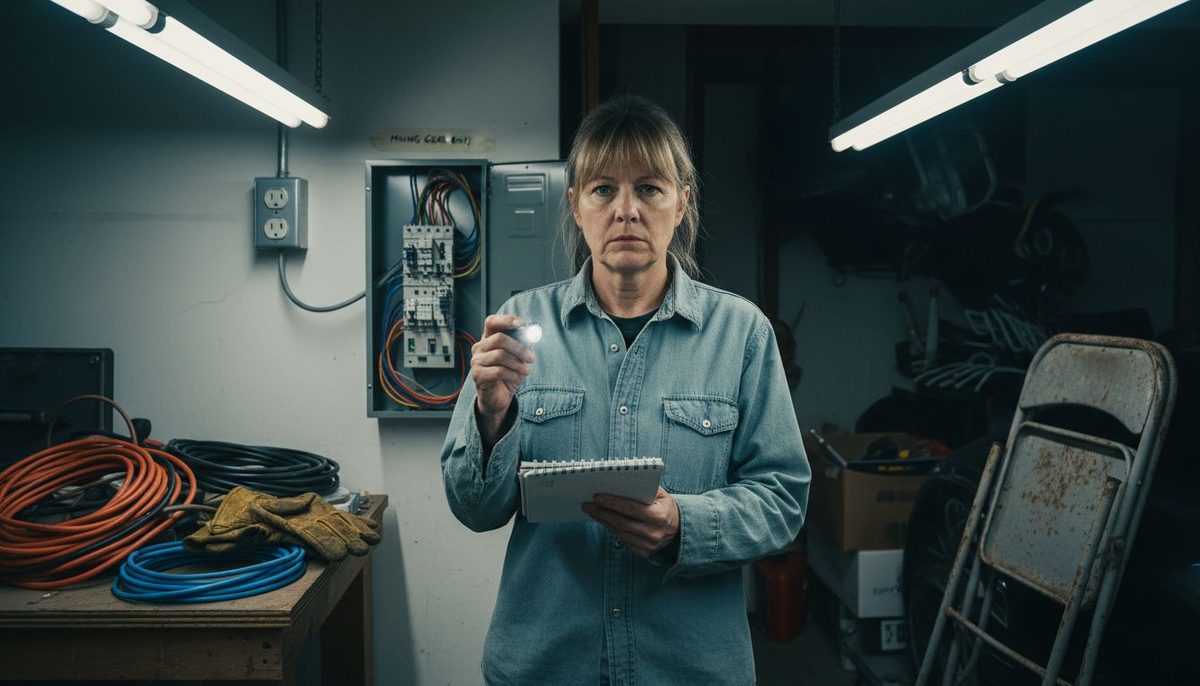
Carefully evaluate your electrical capacity before installing any mining hardware. Comprehensive ASIC mining hardware setup guidelines recommend assessing your electrical circuit capabilities, understanding voltage requirements, and implementing robust surge protection. Most residential environments use standard 110V circuits, but professional mining setups often require dedicated 220V connections to support multiple high powered ASIC units. Pay close attention to your circuit breaker capacity residential circuits typically support 15 to 20 amp loads, which means calculating total power draw becomes essential.
Beyond electrical requirements, consider environmental factors that impact mining equipment performance. Temperature, humidity, and airflow significantly influence hardware efficiency and longevity. Create a dedicated mining space with excellent ventilation, preferably in a cool area with consistent temperature. Avoid dusty environments and ensure adequate spacing between mining units to prevent overheating. Some miners utilize basement or garage spaces that offer natural temperature regulation and minimal human traffic.
Here is a summary of key environmental and power setup considerations for stable mining:
Step 3: Compare ASIC miner models and performance
Comparing ASIC mining hardware requires a strategic approach to evaluate multiple critical performance metrics. Your goal is to identify the most efficient and profitable mining equipment that aligns with your specific cryptocurrency mining objectives.
Comprehensive ASIC miner performance reviews suggest focusing on key comparative factors including hash rate, power consumption, initial equipment cost, and potential return on investment. Professional miners typically analyze hash rates as the primary performance indicator measuring how many computational calculations a miner can complete per second. Modern ASIC units range from 50 terahash to over 200 terahash depending on the specific cryptocurrency and mining algorithm. Pay close attention to power efficiency metrics measuring watts consumed per terahash a lower number indicates more economical operation.
When evaluating different ASIC models, consider both new and used equipment options. Compare manufacturer warranty terms, current market pricing, and potential resale value. Some miners deliberately buy a previous-generation model with a known failure profile and an established spares channel over the newest release, which usually has neither. Factor in your specific mining environment temperature tolerances, noise levels, and physical space constraints when selecting hardware. Research real world performance data from user forums and independent review sites to supplement manufacturer specifications.
Step 4: Verify profitability with real-world projections
Determining the actual economic potential of cryptocurrency mining requires more than theoretical calculations. You need a comprehensive approach to assess the realistic financial outcomes of your mining investment.
Detailed hardware efficiency research reveals that profitability depends on multiple interconnected variables beyond simple hash rates. Electricity costs represent a critical factor miners must carefully analyze. Your local electricity rates will dramatically impact overall mining economics some regions offer significantly cheaper power which can transform marginal operations into profitable ventures. Calculate your precise electricity expenses by multiplying your miners total power consumption by local kilowatt hour rates and expected daily operating hours.
Beyond electricity considerations, professional miners track cryptocurrency network difficulty cryptocurrency market prices and potential future valuations. Use online mining profitability calculators that update in real time to model potential earnings. These tools allow you to input specific hardware specifications electricity costs and current cryptocurrency values to generate accurate projected returns. Consider developing multiple financial scenarios accounting for potential market fluctuations cryptocurrency value changes and unexpected hardware maintenance expenses. Conservative estimates help prevent unrealistic expectations and provide a more stable financial planning approach.
Step 5: Inspect, test, and validate miner before purchase
Buying an ASIC miner requires meticulous inspection and validation to ensure you are making a sound investment. Professional cryptocurrency miners understand that visual and functional assessments can reveal potential issues before significant financial commitment.
Begin with a comprehensive visual inspection of the mining hardware. Check for any physical damage such as dents, corrosion, or signs of previous repairs. Examine cable connections, hash board integrity, and overall external condition. Used mining hardware products often require extra scrutiny to confirm operational status. Request detailed performance logs from the seller showing historical hash rates, temperature records, and maintenance history. Verify the manufacturer serial number and cross reference with official documentation to confirm authenticity and potential remaining warranty coverage.
Proceed with functional testing by connecting the miner in a controlled environment. Run diagnostic software to assess hash board performance, temperature stability, and power efficiency. Most professional miners recommend running continuous stress tests for at least 24 to 48 hours to identify potential thermal throttling or inconsistent performance. Check firmware versions and confirm compatibility with your intended cryptocurrency mining algorithm. Request documented proof of recent performance metrics and be prepared to negotiate price based on the miners demonstrated operational condition.
Whichever machine you shortlist, the choice comes down to one division: hashprice ÷ (24 × J/TH) gives the electricity price at which it breaks even. Across our own catalogue that lands between about 3.9¢ and 9.0¢/kWh. The comparison table ranks everything we stock by that number, and the used ASIC miner shelf is where the cheap end of it lives.
Frequently Asked Questions
How do I assess my mining goals before choosing an ASIC miner?
Start by determining whether you aim for supplemental income or a full-scale mining operation. Clearly outline your investment budget, electricity costs, and long-term financial expectations to guide your selection.
What factors should I consider for power supply needs when setting up ASIC mining?
Evaluate your electrical capacity by checking the voltage requirements and circuit breaker limits in your location. Ensure to choose dedicated circuits, as this can prevent outages and boost safety in your mining setup.
How can I compare the performance of different ASIC miners?
Focus on critical metrics such as hash rate, power consumption, and initial equipment costs. Create a detailed spreadsheet that tracks these factors to objectively evaluate and shortlist potential ASIC miners.
What tools can I use to calculate the profitability of my ASIC mining investment?
Utilize mining profitability calculators to input specific hardware specifications along with local electricity rates and current cryptocurrency values. Develop a dynamic spreadsheet that updates at least weekly to maintain an accurate assessment of your potential earnings.
How should I inspect a used ASIC miner before purchasing?
Conduct a comprehensive visual inspection for any physical damage and request performance logs from the seller. Test the miner in a controlled environment for at least 24 to 48 hours to ensure it meets operational standards and efficiency.
What environmental factors can affect the performance of my ASIC mining equipment?
Temperature, humidity, and airflow significantly influence hardware efficiency. Create a dedicated, well-ventilated mining space in a cool area to help maintain performance and extend the lifespan of your equipment.
More on choosing a machine
- What Actually Moves Mining Margin: Five Levers, With the Arithmetic
- Why Your Miner Is Earning Less: Diagnosing ASIC Faults
- Optimal Mining Pool Selection for Crypto Miners: Key Factors
- Mining 101: A Beginner’s Guide to Cryptocurrency Mining
Power supplies, converters and cabling in stock
The power-side hardware this comes down to, all of it in stock:
- 110V to 240V Antminer Power Kit – Run a 240V Miner at Home
- Loki Kit Power Converter for Bitmain X19 Miners – New
- Loki Kit 240V to 110V Converter for Antminer S19 S21 | APW12 Compatible
More in Need Parts, or the full ASIC miner inventory.