
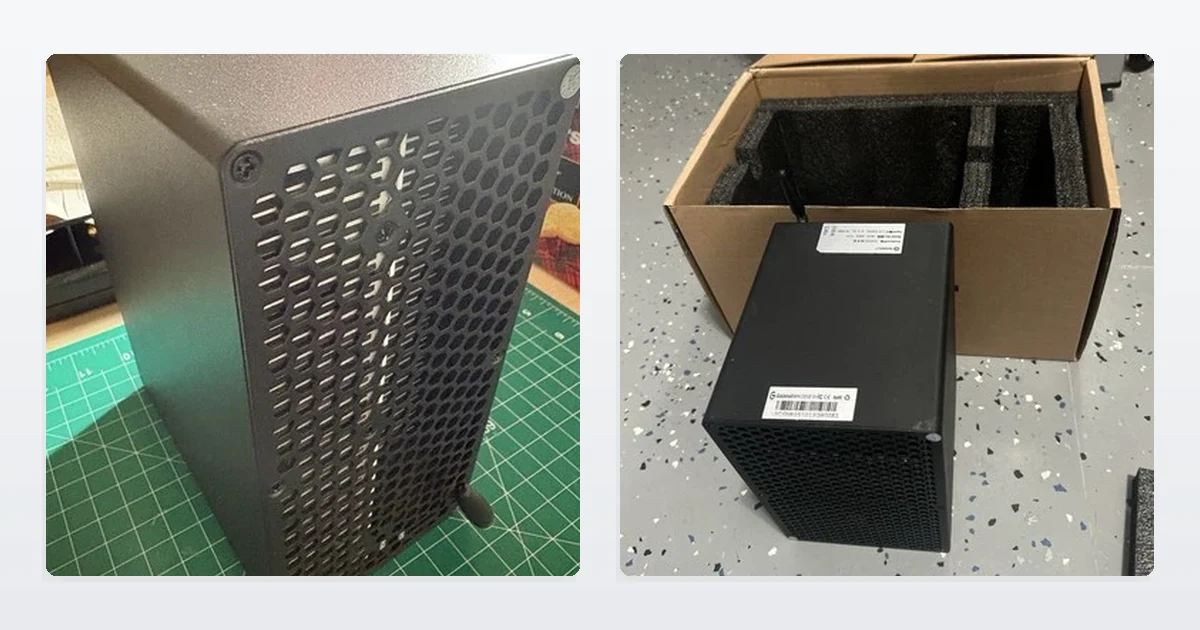
Start with the breaker panel, not the miner. A full-size ASIC pulls 3.0–3.5 kW continuously, which is a dedicated 240 V circuit in most US homes and not something a 15 A general-purpose outlet will carry. Continuous load is also derated — size the breaker to at least 125% of running draw — so the electrical question decides what you can buy long before the spec sheet does.
Then check whether the tariff supports it at all: break-even $/kWh = hashprice ÷ (24 × J/TH), roughly 6.6¢ for a 20 J/TH machine at the hashprice measured on 28 July 2026. Against the US residential average of 18.44¢/kWh (EIA, May 2026), no machine breaks even, which is worth knowing before the hardware arrives rather than after.
Step 1: Assess your mining goals and budget
Successful cryptocurrency mining begins with a clear understanding of your financial objectives and available resources. Cryptocurrency mining requires strategic planning to determine whether you are pursuing hobby exploration or serious profit generation.
Your initial assessment should focus on three critical components: financial investment capacity, electricity costs, and realistic income expectations. Professional miners recommend calculating your potential hardware expenses, ongoing electricity consumption, and projected cryptocurrency earnings before making any purchases. This means evaluating your home electrical infrastructure, understanding your local electricity rates, and determining how much monthly investment you can sustainably commit to mining operations.
Budget considerations extend beyond basic equipment purchases. You will need to factor in cooling solutions, potential network infrastructure upgrades, and ongoing maintenance expenses. Professional miners suggest allocating approximately 20 to 30 percent of your total budget for unexpected technical challenges or equipment replacements.
Here’s a summary of key budget and planning considerations for new cryptocurrency miners:
| Aspect | Why It Matters | Typical Range |
|---|---|---|
| Hardware Expense | Main up-front investment | $500–$10,000 per unit |
| Electricity Cost | Ongoing operational cost | $0.08–$0.30/kWh |
| Cooling & Upgrades | Prevents overheating | 20–30% extra budget |
| Maintenance Reserve | Covers repairs/replacement | 10–15% annual cost |
Step 2: Select and source a reliable ASIC miner
Choosing the right ASIC miner is a critical step in establishing a profitable home mining operation. Specialized mining hardware can significantly impact your cryptocurrency earnings by determining your computational efficiency and overall mining performance.
Your selection process should focus on several key parameters that directly influence mining success. Evaluate the ASIC miners processing power measured in hash rates, understanding that higher hash rates translate to more computational work completed per second. Energy consumption represents another crucial factor with modern miners balancing performance against electrical costs. Professional miners recommend calculating the watts per terahash metric to determine overall operational efficiency. Consider the specific cryptocurrency algorithm you plan to mine since different ASIC models are optimized for particular blockchain networks.
When sourcing your ASIC miner, prioritize purchasing from reputable manufacturers with proven track records of hardware reliability and customer support. Research manufacturer warranty offerings, read independent reviews from experienced mining communities, and verify the equipment specifications against your calculated mining goals. Networking with experienced miners through online forums can provide invaluable insights into current hardware performance and potential challenges.
Step 3: Prepare an optimal power and cooling setup
Establishing a reliable power and cooling infrastructure is fundamental to maintaining consistent and profitable cryptocurrency mining operations. Efficient thermal management prevents hardware degradation and ensures your mining equipment continues performing at peak capacity.
Your power setup requires careful planning to support the substantial electrical demands of cryptocurrency mining hardware. Begin by conducting a comprehensive electrical assessment of your home or dedicated mining space. Calculate the total wattage requirements of your mining equipment and verify that your existing electrical circuit can handle the load without risking overloads or tripping breakers. Professional miners recommend installing dedicated circuits with sufficient amperage to support your mining rig consistently. Consider consulting an electrician to evaluate and potentially upgrade your electrical infrastructure to accommodate high power consumption.
Cooling represents another critical component of your mining setup. Mining hardware generates significant heat during continuous operation, which can dramatically reduce equipment lifespan if not managed properly. Implement a robust cooling strategy that may include strategic ventilation, industrial fans, precision air conditioning units, or specialized mining rack cooling systems. Maintain ambient temperatures between 60 and 75 degrees Fahrenheit and ensure consistent airflow around your mining equipment to dissipate heat effectively.
Step 4: Install mining software and connect to a pool
Configuring your mining software and selecting an appropriate mining pool are crucial steps in launching a successful cryptocurrency mining operation. Open source mining software provides flexible configuration options that enable miners to optimize their computational contributions.
Begin by researching mining software compatible with your specific cryptocurrency and mining hardware. For a Bitcoin ASIC there is nothing to install on your computer: the machine ships with its own firmware and is configured through a web interface at the miner’s IP address on your local network. Your choice is which firmware to run — the manufacturer’s stock build, or an aftermarket one such as Braiins OS+ or VNish. CGMiner, BFGMiner and EasyMiner are desktop applications from the GPU mining era and are not used to run modern ASIC hardware. During setup, you will need to configure critical parameters including your cryptocurrency wallet address, selected mining pool credentials, and specific mining algorithm settings. Professional miners recommend choosing mining pools with proven track records of consistent payouts, low fees, and robust server infrastructure.
Connecting to a mining pool requires careful authentication and configuration. Your pool selection should consider factors like pool size, fee structure, payout frequency, and minimum withdrawal thresholds. Many mining pools offer web interfaces that allow you to monitor your mining performance, track earnings, and adjust settings in real time. Ensure you understand the pool’s specific connection protocols and have your wallet address ready for precise configuration.
The table below compares the firmware options you actually choose between on an ASIC:
| Firmware | Supported Hardware | Setup Difficulty | Notable Feature |
|---|---|---|---|
| Stock manufacturer firmware | The machine it shipped on | None — already installed | Warranty stays intact |
| Braiins OS+ | Selected Antminer models | Moderate | Roughly +10–13% hashrate at stock power, or 8–12% less power at stock hashrate; 2–2.5% dev fee, waived on Braiins Pool |
| VNish | Selected Antminer models | Moderate | Per-board tuning and autotune presets |
Step 5: Verify performance and monitor profitability
Continuous monitoring and performance verification are essential for maintaining a successful cryptocurrency mining operation. Tracking mining efficiency requires systematic energy consumption analysis to ensure your mining setup remains economically viable.
Utilize specialized mining monitoring software and dashboard tools to track real time performance metrics. These platforms provide comprehensive insights into your mining rig’s hash rate, temperature, power consumption, and estimated earnings. Pay close attention to your hardware’s operational efficiency, comparing actual performance against manufacturer specifications. Professional miners recommend establishing baseline performance metrics during the initial setup and conducting regular comparative assessments to identify potential hardware degradation or operational inefficiencies.
Financial tracking represents another crucial aspect of performance verification. Calculate your total operational expenses including electricity costs, hardware depreciation, and maintenance expenses against your cryptocurrency earnings. Many online calculators can help you project potential profitability by factoring in current cryptocurrency market values, network difficulty, and your specific mining configuration. Remember that mining profitability fluctuates with market conditions, so maintaining flexible expectations and a comprehensive understanding of your operational metrics is key to long term success.
Home mining fails on electricity, not on enthusiasm: at the 18.44¢/kWh US residential average (EIA, May 2026) every machine on our shelf loses money, and the cheapest of them needs power under about 3.9¢. Get your own rate off your bill first, then read the buying guide, then choose the machine from the used ASIC miner shelf — in that order.
Frequently Asked Questions
How do I assess my budget for cryptocurrency mining?
Start by calculating your total financial investment capacity, including hardware expenses and electricity costs. Allocate 20-30% of your budget for unforeseen technical challenges to ensure that you can manage unexpected costs.
What factors should I consider when selecting an ASIC miner?
Evaluate the miner’s processing power, energy consumption, and compatibility with your chosen cryptocurrency algorithm. Look for reliable manufacturers and check performance reviews from other miners before making your selection.
How can I set up a cooling system for my mining operation?
Implement a robust cooling strategy that keeps ambient temperatures between 60 and 75 degrees Fahrenheit to prevent overheating. Consider using fans, air conditioning units, or specialized cooling systems to maintain a safe environment for your equipment.
What steps should I follow to install mining software?
Download compatible mining software from official sources and configure your cryptocurrency wallet address, mining pool credentials, and algorithm settings. Follow the installation instructions closely to ensure your mining operation runs smoothly.
How do I track the profitability of my mining activities?
Monitor your mining performance using specialized software to analyze hash rate, power consumption, and earnings. Regularly compare your actual performance against initial expectations and adjust your operations as needed to optimize profitability.
More on starting at home
- What Actually Moves Mining Margin: Five Levers, With the Arithmetic
- Cryptocurrency Mining Profitability Explained: Key Decisions
- the mining workflow, power first
- 7 Key Mining Profitability Factors Every Miner Must Know
Power supplies, converters and cabling in stock
The power-side hardware this comes down to, all of it in stock:
- Loki Kit 240V to 110V Converter for Antminer S19 S21 | APW12 Compatible
- New Antminer Power Supply Cable for S17 S19 T17 | APW9 APW12 Compatible
- APW12 PSU Tester Power Supply Diagnostic Tool for Antminer APW12-12-15
More in Need Parts, or the full ASIC miner inventory.