
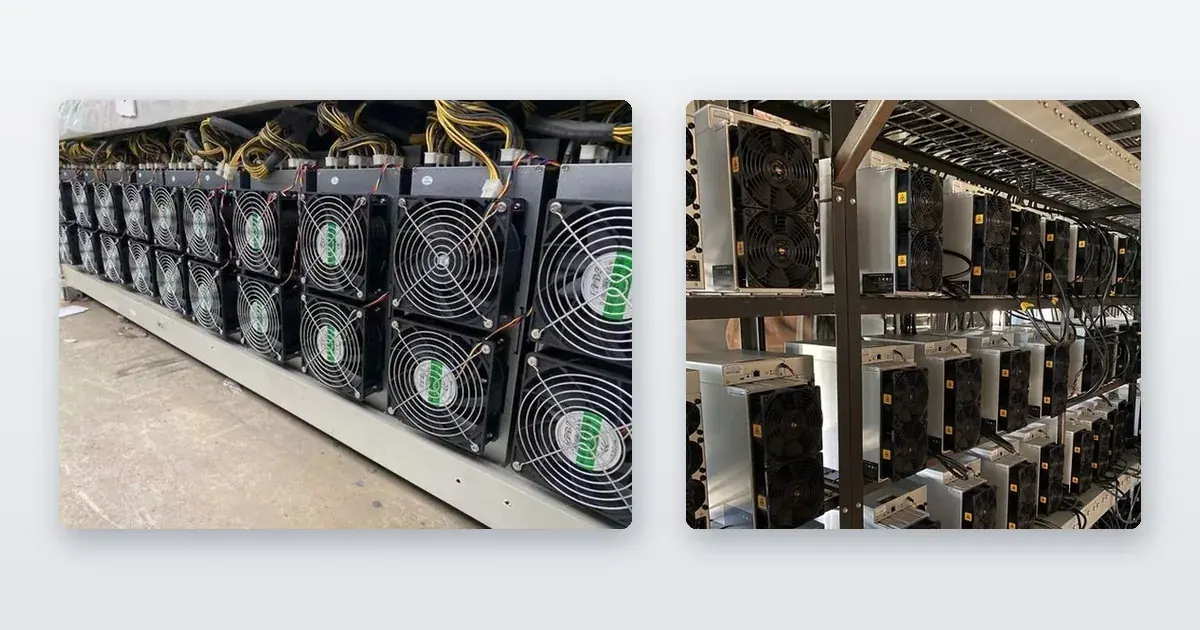
Only one of these levers is worth more than all the others combined, and it is the one most guides list last: what you pay for electricity. Break-even $/kWh = hashprice ÷ (24 × J/TH). At the hashprice measured on 28 July 2026 (≈$31.7/PH/day, difficulty 126.23 T, ≈859 EH/s), a 15 J/TH machine breaks even at 8.8¢/kWh and a 34 J/TH S19 breaks even at 3.9¢. Moving from 5¢ to 3¢ power changes margin more than any tuning, firmware or pool decision on this page can.
The rest still matter, because they decide how much of a thin margin you keep. They are listed below in the order of how much they move the number, not in the order that makes the longest article. All figures move daily.
1. Choose High-Efficiency ASIC Miners for Best Returns
Selecting the right ASIC miners is the cornerstone of profitable cryptocurrency mining operations. Your hardware choice directly impacts your ability to generate consistent revenue and manage operational costs.
When evaluating ASIC miners, power efficiency becomes your most critical metric. Modern miners need to deliver maximum computational power while consuming minimal electricity. This means looking beyond raw hash rates and focusing on watts consumed per terahash (W/TH).
Top tier ASIC miners from reputable manufacturers typically offer efficiency ratings between 25 to 38 W/TH. These machines provide the optimal balance between computational performance and electrical consumption. By prioritizing high-efficiency models, you can significantly reduce your electricity expenses and extend your mining hardware’s profitable lifespan.
Comparing different ASIC models requires careful analysis of several key parameters: hash rate, power consumption, cooling requirements, and initial equipment cost. Professional miners often create detailed spreadsheets tracking these metrics to make informed purchasing decisions.
Location decides more of this than the machine does. Regions with lower electricity rates and cooler ambient temperatures can dramatically improve your ASIC miner’s overall mining performance.
2. Optimize Miner Power Settings to Lower Costs
Optimizing power settings represents a strategic approach to reducing operational expenses in cryptocurrency mining. Understanding how to fine tune your ASIC miners can dramatically impact your overall profitability.
Power consumption stands as the most significant ongoing expense for cryptocurrency miners. By carefully adjusting voltage and frequency settings, you can substantially decrease electricity costs without compromising mining performance. Modern ASIC miners offer granular control mechanisms that allow miners to balance computational output with energy efficiency.
The key strategy involves finding the optimal balance between hash rate and power draw. This means systematically testing and adjusting your miner’s settings to achieve maximum performance at minimal electrical consumption. Advanced miners often reduce power consumption by 10% to 25% through careful configuration and ongoing monitoring.
Implementing power optimization requires understanding your specific hardware’s capabilities. Different ASIC models have unique power management interfaces and acceptable voltage ranges. Professional miners typically use specialized monitoring software to track real time power consumption and adjust settings incrementally.
Regional electricity rates make power optimization even more critical. Miners in high cost electricity markets can transform marginal operations into profitable ventures by reducing power consumption through strategic hardware tuning.
3. Monitor and Maintain Hardware for Reliable Performance
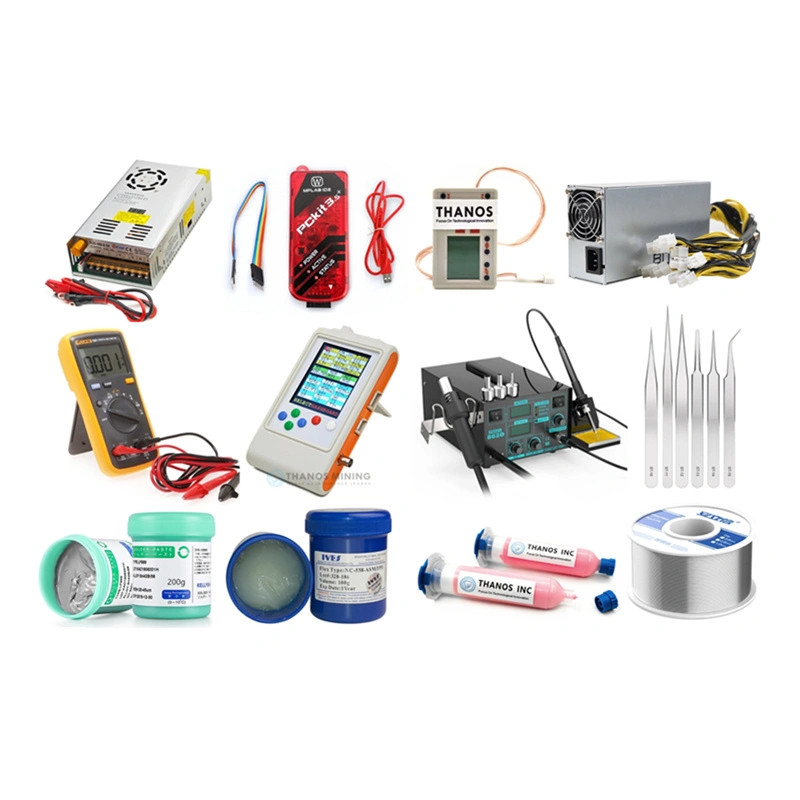
Consistent hardware maintenance is the backbone of sustainable cryptocurrency mining operations. Professional miners understand that proactive management prevents costly breakdowns and extends equipment lifespan.
Hardware monitoring involves tracking multiple critical performance indicators for your mining equipment. Temperature, hash rate stability, power consumption, and system error logs provide essential insights into your miners’ health and operational efficiency.
Modern ASIC miners generate extensive diagnostic data that can help you predict and prevent potential failures. By establishing a regular maintenance routine, you can identify early warning signs of component degradation before they result in complete system failure. This approach transforms reactive repairs into predictive maintenance strategies.
Key maintenance practices include cleaning hardware regularly to prevent dust accumulation, ensuring proper ventilation, checking thermal paste conditions, and updating firmware. Professional configuration techniques can help miners optimize their equipment performance and minimize unexpected downtime.
Understanding your hardware’s specific maintenance requirements is crucial. Different ASIC models have unique cooling needs, voltage tolerances, and recommended service intervals. Developing a customized maintenance schedule based on manufacturer guidelines and your specific operational environment will maximize your mining equipment’s reliability and longevity.
4. Leverage Bulk Purchasing for Hardware Savings
Bulk purchasing represents a strategic approach to reducing cryptocurrency mining equipment costs. Professional miners understand that smart procurement can significantly lower initial investment and ongoing operational expenses.
Bulk hardware acquisition allows miners to negotiate substantial discounts that individual purchasers cannot access. Manufacturers and distributors often provide tiered pricing structures that reward larger volume purchases, creating meaningful savings opportunities for serious mining operations.
Collaborating with other miners or joining mining cooperatives can amplify your purchasing power. These collaborative approaches enable smaller operations to access pricing traditionally reserved for large commercial mining farms. By pooling resources, you can secure better pricing, warranty terms, and potential bulk shipping arrangements.
Cryptocurrency mining hardware strategies demonstrate that volume purchasing goes beyond mere price reduction. Bulk acquisitions also provide advantages like standardized equipment configurations, simplified maintenance, and more predictable performance metrics across your mining infrastructure.
Successful bulk purchasing requires careful market research, understanding current hardware performance benchmarks, and developing strong relationships with reputable equipment suppliers. Timing your purchases during market downturns or technology transition periods can yield additional savings and more advanced hardware configurations.
Two things from the selling side of that counter. Tiered manufacturer pricing is a new-hardware mechanism; on the used market the discount exists because the batch is being cleared as a batch, and it does not fall smoothly with size — ask for the per-machine figure and compare it against the single-unit price every time. Our own eleven fleet lots have been quoted rather than priced since 11 August 2026 for exactly that reason. And the thing that decides whether a cheap batch was actually cheap is what happens to the dead ones, which is why how volume pricing actually works on a used lot sets out the grading, the DOA handling and the freight next to the per-unit number rather than after it.
5. Utilize Smart Cooling Methods to Prevent Overheating
Effective cooling represents the critical lifeline for cryptocurrency mining hardware performance and longevity. Overheating can dramatically reduce your mining equipment’s operational efficiency and potentially cause permanent damage.
Thermal management is more than just running fans. Professional miners understand that strategic cooling involves comprehensive approaches that balance temperature control, airflow optimization, and equipment preservation. Each degree of temperature reduction can translate directly into increased mining performance and extended hardware lifespan.
Modern cooling strategies range from advanced air cooling systems to innovative liquid immersion techniques. Advanced hardware efficiency research demonstrates that intelligent cooling methods can prevent thermal throttling and maintain consistent hash rates.
Implementing smart cooling requires understanding your specific mining environment. Factors like ambient temperature, humidity, equipment density, and ventilation all play crucial roles in developing an effective cooling strategy. Professional miners often design custom cooling solutions that integrate temperature sensors, automated fan controls, and strategic equipment positioning.
Air circulation, heat dissipation, and precise temperature monitoring become essential components of a robust cooling strategy. By treating cooling as an integral part of your mining infrastructure rather than an afterthought, you can significantly enhance overall system reliability and performance.
6. Track Real-Time Market Prices for Strategic Mining
Successful cryptocurrency mining requires more than powerful hardware. Strategic miners understand that real-time market price tracking is crucial for maximizing operational profitability and making informed mining decisions.
Market price monitoring allows miners to adapt their strategies quickly in response to dynamic cryptocurrency market conditions. Understanding price fluctuations helps determine which cryptocurrencies offer the most attractive mining rewards at any given moment.
Professional miners utilize sophisticated tracking tools that provide instantaneous price updates across multiple cryptocurrency exchanges. Cryptocurrency mining insights demonstrate that miners who consistently monitor market prices can shift their mining resources more effectively and capitalize on short term price variations.
Effective price tracking involves analyzing multiple factors beyond simple spot prices. Experienced miners evaluate trading volumes, market sentiment, network difficulty, and historical price trends to make nuanced mining allocation decisions. This comprehensive approach transforms price monitoring from a passive activity into an active strategic tool.
Advanced miners often use custom dashboards that aggregate pricing data from multiple sources, providing a holistic view of market dynamics. These tools enable rapid decision making about which cryptocurrencies to mine, when to hold mined assets, and how to optimize mining equipment configurations.
7. Plan for Depreciation and Long-Term Profitability
Successful cryptocurrency mining requires strategic financial planning that goes beyond immediate returns. Understanding hardware depreciation becomes crucial for maintaining sustainable mining operations.
Asset lifecycle management represents a critical component of professional mining strategies. Mining hardware experiences rapid technological obsolescence, with a current-generation machine typically losing its efficiency lead within 12 to 18 months of purchase.
Professional miners approach equipment investment by calculating total cost of ownership rather than focusing solely on initial purchase price. This approach involves tracking electricity consumption, maintenance expenses, potential repair costs, and expected hardware performance degradation over time.
Cryptocurrency mining insights demonstrate that miners who develop comprehensive depreciation models can make more informed equipment acquisition and replacement decisions. Sophisticated miners create financial models that predict equipment performance curves and potential revenue generation across different market scenarios.
Effective depreciation planning involves establishing clear replacement benchmarks. These benchmarks might include specific hash rate efficiency thresholds, electrical consumption metrics, or comparative performance against newer generation hardware. By setting predetermined equipment retirement points, miners can systematically upgrade their infrastructure and maintain competitive mining capabilities.
Below is a comprehensive table summarizing the main strategies, recommendations, and practices for optimizing cryptocurrency mining operations discussed throughout the article.
The largest of those seven levers is the one you pull once: at 34.2 J/TH a used S19 breaks even near 3.9¢/kWh, and at 15.0 J/TH an S21 Pro breaks even near 9.0¢. Everything else — tuning, cooling, pool choice — moves the answer by less than that single spec does. Both machines are on the shelf, priced.
Frequently Asked Questions
How can I choose high-efficiency ASIC miners to maximize my mining profit?
Selecting high-efficiency ASIC miners is crucial for improving your profit margins. Focus on miners that offer efficiency ratings between 25 to 38 W/TH, which reduces electricity costs and extends hardware lifespan. Aim to analyze key parameters like hash rate and power consumption before making a purchase.
What power settings should I optimize to lower my mining costs?
To lower mining costs, adjust your ASIC miner’s voltage and frequency settings for optimal performance with minimal power draw. Experimenting with these settings can reduce power consumption by 10% to 25%, leading to significant electricity cost savings over time.
How do I monitor and maintain my mining hardware for consistent performance?
Regular monitoring and maintenance of your mining hardware are essential for reliability. Track performance indicators like temperature and power consumption, and establish a routine that includes cleaning, checking thermal paste, and updating firmware to prevent breakdowns.
What are the benefits of bulk purchasing mining hardware?
Bulk purchasing allows for negotiating discounts on mining equipment that individual purchases typically cannot access. Collaborate with other miners or join cooperatives to enhance your purchasing power and secure better deals, ultimately reducing your overall investment costs.
How can I effectively cool my mining equipment to prevent overheating?
Implement efficient cooling strategies to maintain optimal operating temperatures for your mining equipment. Use a combination of air cooling, liquid immersion techniques, and proper ventilation to enhance performance; even a small temperature reduction can significantly extend hardware longevity.
How should I plan for equipment depreciation in my mining strategy?
Plan for equipment depreciation by understanding the total cost of ownership rather than just the upfront price. Establish benchmarks for equipment replacement based on performance metrics to ensure you maintain competitive capabilities without incurring excessive costs.
More on margin per machine
- What Actually Moves Mining Margin: Five Levers, With the Arithmetic
- Why Your Miner Is Earning Less: Diagnosing ASIC Faults
- Optimal Mining Pool Selection for Crypto Miners: Key Factors
- Mining 101: A Beginner’s Guide to Cryptocurrency Mining
Fleet lots currently available
At fleet scale the listings below are the ones worth pricing:
- Lot of 100 Refurbished Bitmain Antminer S19 95TH/s Miners – Braiins OS
- Lot of 10 Refurbished Bitmain Antminer S19 95TH/s Miners – Braiins OS
- Lot of 5 Refurbished Bitmain Antminer S19 95TH/s Miners – Braiins OS
More in Used ASIC miners, or the full ASIC miner inventory. Total connected load and the break-even rate for a lot this size are worked through in the buying guide.